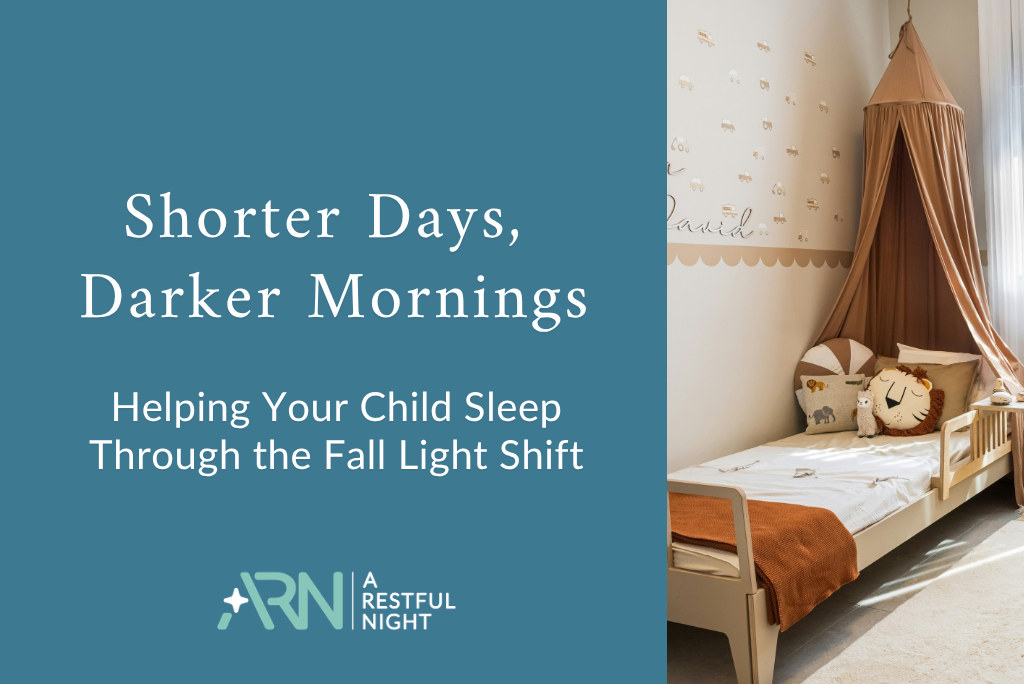
The 3-Year-Old Sleep Regression: Signs, Causes, and What to Do
If your three-year-old's sleep has suddenly seemed disrupted, there's almost always a clear reason behind it, and it's almost always fixable.
Three is a big year. Sleep needs are changing! Your child is outgrowing the nap, possibly moving from a crib to a bed, maybe starting preschool, and developing an imagination vivid enough to invent something to worry about at 2:00 a.m. Any one of those shakes up sleep. Together, they explain why families who sailed through age two are suddenly negotiating at bedtime.
Is the 3-Year Sleep Regression Real?
Yes. The 3-year sleep regression is real!!. It usually shows up as bedtime resistance, night wakings, early morning waking, or sudden nap refusal. The length of this regression is directly connected to how quickly you can identify the cause and put a plan in place to fix! Unlike the earlier regressions, it's rarely driven by one developmental leap. It's usually a combination of lower sleep needs, behavioral challenges like pushing boundaries, sometimes a new sleep space, and a growing imagination.
Worth saying: "regression" is an imperfect term here. Your child isn't going backward, their needs and desires are simply changing. Our post on the 2-year regression covers what comes just before this one.
Signs of the 3-Year Sleep Regression
If you're trying to work out whether this is a true regression or something else, these patterns tend to arrive together:
Bedtime stalling that stretches to 45 minutes or longer, with a steady stream of call-outs for one more drink, one more hug, one more question
Getting out of bed repeatedly, especially in the first weeks after transitioning from the crib
Night wakings after months of sleeping through
Early morning waking that wasn't there before
Nap refusal, or a nap that now pushes bedtime an hour later
New fears about the dark, about being alone, or about noises in the room
When several of these appear at once in a child who previously slept well, regression is the likely explanation.
How Long Does the 3-Year Sleep Regression Last?
Most 3-year sleep regressions last two to six weeks. How long yours runs depends largely on how consistently you respond, and on whether something else is compounding it, like illness, a new sibling, or a schedule that no longer fits.
What Causes the 3-Year-Old Sleep Regression?
Nearly every three-year-old sleep struggle I see traces back to one of four causes. Working out which one's in play, and it's often more than one, tells you what to change.
Changing Sleep Needs and the 3-Year-Old Sleep Schedule
Most three-year-olds need roughly 11 to 12 hours of sleep across a full 24-hour period. That's almost 90 minutes less than what they needed a year ago at age 2, and it's the most overlooked driver of sleep struggles at this age.
For example, if your 3-year old is a great napper and usually does a 2 hour nap from 1:00 -3:00 p.m, that will mean they need a 9:00 p.m. bedtime and will leave about 9- 10 hours of overnight sleep, meaning you should expect them to wake in the 6-7 a.m. range. The challenge here is that your child is overnapping and the nap is reducing the amount of sleep they need overnight. Your child isn't being difficult when they lie in bed talking for an hour or wake ready to start the day at 5:00 a.m. They just don’t need enough sleep and have low sleep pressure because of a long nap!
Capping the nap at 60 minutes and ending it no later than 2:30 p.m. or dropping it all together and moving to quiet time is often all it takes. One caution: resist the instinct to assume your child's overtired and add daytime sleep. At three years old the opposite is usually true, so review the full 24-hour picture before changing anything. When early rising is the main issue, our post on early morning wakeups goes deeper on the schedule side.
The Crib to Bed Transition

Age three is when many families make the switch, and a bed changes everything about bedtime. The physical boundary is gone, so a child who used to call out for you can now walk down the hall. This is brand new freedom that now requires impulse control and the right parent response.. Our guide to the crib to bed transition covers the setup, and the most common mistakes post is worth reading first.
REMEMBER: If the regression started within a few weeks of the crib to bed move, start there before changing anything else. Our Crib to Bed Transition Course walks through the full process, including how to hold the boundary once your child can get up on their own. Use code Bed15 for a $15 discount on the Crib to Bed Transition Course
Night Wakings, New Fears, and Separation Awareness
A three-year-old's imagination is remarkable, and it doesn't switch off at bedtime. Shadows become something else, and separation awareness can resurface even in children who've settled independently for years.
Fears are normal, anything from a zombie in my closet to bees in the bed, I’ve heard it all! It’s all normal and helpful to validate the feeling, but avoid changing the plan. Parents easily fall into staying in the room or laying in the bed which can reduce your child’s sleep skill and result in more overnight wake ups.
What works is taking the feeling seriously without feeding into the fear. Acknowledge that the dark feels different, add a dim night light, remind them they are sage and keep the same routine and goodnight. Children take their cue from our energy and the certainty and confidence of our voice.
Preschool, Daycare, and a New Daily Rhythm
Starting preschool reshapes the whole day. Sometimes school rest time runs longer than the nap your child took at home, and sometimes a teacher rubs backs or sings at nap mat time, which quietly reintroduces assisted sleep. If you notice a regression forming with the start of school, take the time to ask some questions of your teacher:
Are they napping?
If yes, what time and how long?
Are they falling asleep independently or needing back rubs?
Can you work together to cap the nap and make some changes?
When Do 3-Year-Olds Stop Napping?
Most children stop napping between ages two and a half and four, though some hold on until five, so age alone is not always the best guide. The signals that matter are bedtime stretching past 45 minutes, new night wakings, or a wake-up before 5:30 a.m. after a full night. Overnight sleep is where children get the most restorative sleep so if you find your toddler getting less than 11 hours overnight, look to the nap time and length as a first place to modify.
Dropping the nap doesn’t need to be all or nothing.Plenty of 3-year-olds still need a nap two or three days a week, and quiet time on the off days. This is totally normal and acceptable. Just modify bedtime to be earlier on non-nap days.
How to Help Your 3-Year-Old Through the Sleep Regression
Once you know what's driving it, the response is straightforward. Work through these in order rather than changing everything at once.
Audit the schedule first. Add up total sleep across 24 hours, then note nap length, nap end time, bedtime, and your Desired Wake Time (DWT), the time you want your child to start the day.
Cap or move the nap. Aim for 60 to 75 minutes, ending by 2:00 or 2:30 p.m. If refusals have become consistent, offer quiet time instead.
Keep the bedtime routine short and identical every night. Twenty to thirty minutes, same order, same ending. Predictability does the work.
Choose one boundary and hold it across caregivers. Whatever your response to getting out of bed is, it should be the same from every adult, every time.
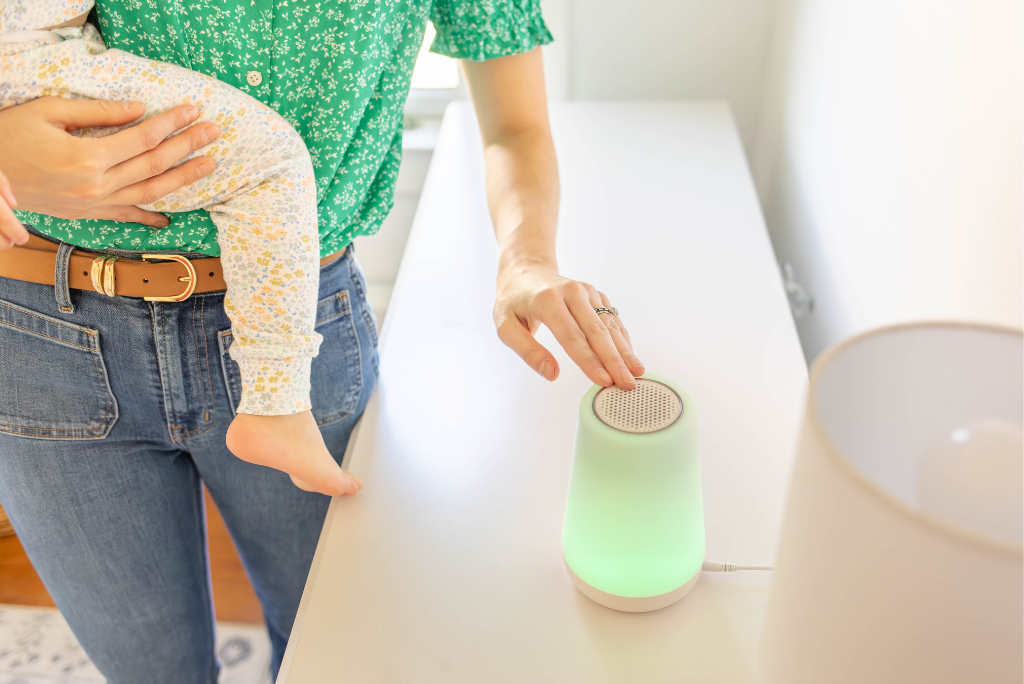
Use an ok-to-wake clock for early mornings. At age three, children are old enough to understand what the color change means. It’s your job to hold the boundary if they don’t comply!
Give it two weeks. Changes to daytime sleep take several days to show up at night, and consistency matters more than any single evening.
When to Work With a Toddler Sleep Consultant
Most families work through a 3-year sleep regression on their own with a schedule adjustment and a couple of consistent weeks. Some situations call for more support, and it helps to know the difference.
In my experience, these are the signs it's time to bring someone in:
You've held a steady schedule for two to three weeks with no change
Your child has never fallen asleep independently, so there's no baseline to return to
Bedtime has become a nightly two-hour negotiation and everyone's running on empty
Caregivers disagree on the approach, and the inconsistency is keeping the pattern alive
Several things landed at once, like a crib to bed move, a new sibling, and preschool
Working with a sleep consultant at this age is less about sleep training and often more about behavior shaping and parent coaching.. Our post on hiring a sleep consultant covers what to expect
Final Thoughts
The 3-year sleep regression can feel discouraging, especially if you did the work earlier and thought this part was behind you. It isn't a sign that anything's been undone. Your child's needs are changing, and the plan needs to change with them.
One honest note. Regressions hit harder for children who still rely on help to fall asleep or resettle overnight. If that describes your three-year-old, this can feel like everything unraveling at once. That's fixable, and it's often the turning point for families.
If you're ready for steadier nights, book a complimentary consultation with A Restful Night. We will look at the full picture, schedule, sleep space, and sleep skills, and build a plan that fits your family.
Meg O'Leary is an Infant and Child Sleep Expert and the founder of A Restful Night. Based in Westchester County, NY, she leads a team of certified sleep coaches to provide virtual support to families across the US and around the world.