How to Stop Early Morning Wake-Ups in Babies & Toddlers (5-6:00 a.m. Fixes That Actually Work)
If your child is greeting you before the sun comes up, you already know how disorienting and exhausting early morning wake-ups can be. A 5 AM start to the day throws off everyone's mood, your schedule, and often the rest of your child's sleep for the day.
In my professional and mom opinion, anything before 6AM should not be considered a true morning wake-up. If your child is up and calling for you at 5, 5:15, or 5:30AM, that is still the middle of the night from a sleep biology standpoint. Your goal is a grounded morning, starting the day at a consistent, predictable time every day. That consistency anchors your child's entire day, making naps more predictable and bedtime smoother.
Here is what you need to know about why early rising happens and how to address it.
Why Is My Baby or Toddler Waking Up So Early?
Early morning wake-ups rarely have one single cause. In my experience, they're usually the result of one or more of these four factors.
1. A Lack of Independent Skill
One of the most common reasons babies and toddlers struggle with early morning wake-ups isn’t low sleep needs, it’s a lack of independent sleep skills.
If your baby is being assisted to sleep at the start of the night (rocking, feeding, bouncing, lying with them, etc.), those same supports often become necessary when they wake during the night or in the early morning hours. The challenge is that early morning is actually the hardest time for a child to fall back asleep.
By the early morning hours, sleep pressure is naturally much lower than it was at bedtime. Your child has already had several hours of rest, so their body isn’t feeling the same strong drive to sleep. Because of this, falling back asleep requires more skill and less assistance.
When a child doesn’t yet have the ability to fall asleep independently, those early morning wake-ups can easily turn into the start of the day. Parents often assume this means their child is “low sleep needs,” when in reality, their child simply doesn’t yet have the tools to fall back asleep during the lightest stretch of the night.
Building independent sleep skills at the start of the night gives your baby the ability to resettle during those early morning wakes—when it matters most.
2. Too Much Daytime Sleep
Too much daytime sleep is a very common driver of early rising that often gets overlooked. Sleep is a finite resource in a 24-hour period. If your child is taking long, restorative naps during the day, their body may simply not need as much overnight sleep as you are expecting.
Always prioritize overnight sleep first, then fill in the remaining sleep needs with naps. Sleep needs by age shift more than most parents realize. If your toddler is banking a long nap every afternoon, a 5 AM wake-up may simply be their body's natural endpoint for the night.
Nap timing matters just as much as nap length. During a nap transition, schedules are especially vulnerable to early rising until the new rhythm settles in.
3. A Reinforced Early Waking Habit
Children learn patterns quickly. If waking at 5 AM consistently results in a feeding, being brought into your bed, or the start of the family's day, your child's brain files that away as the expected routine. The early wake-up becomes self-reinforcing.
The solution is to make it clear to your child what time the day begins. One of the most effective tools I recommend is an OK-to-Wake Clock. These clocks glow one color during sleep hours and another when it is acceptable to get up. For toddlers and preschoolers especially, this removes ambiguity and gives them something concrete to work toward.
An OK-to-Wake Clock works best when introduced intentionally, not just plugged in and hoped for. Practice the concept during the day, keep your explanation simple, and hold the line consistently on your target wake time, even if it means your child waits quietly in their room for a short stretch.
4. Environmental Factors
Your child's sleep space plays a significant role in whether they can resettle in the early morning hours. As the sun begins rising earlier in spring, light is often the most immediate culprit behind early wake-ups.
Here are the three environmental factors to audit first:
Light: Even small amounts of light streaming through windows signal the brain to wake up and start producing cortisol. Blackout curtains are non-negotiable for early risers and one of the highest-impact changes you can make.
Sound: Early morning is when household noise, garbage trucks, birds, other family members, starts to pick up. White noise running consistently through the night helps mask those sounds and supports deeper sleep into the morning hours.
Temperature: Room temperature naturally dips overnight and then rises with the sun. If your child's room gets warm early, that thermal shift can pull them out of sleep. A well-set-up sleep space stays between 68 and 72 degrees Fahrenheit into the early morning hours.
What to Do When Your Child Wakes Before 6 a.m.
Once you have identified the likely cause, here is how to approach early wake-ups directly:

Do not start the day before 6AM. Treat anything before 6AM as a nighttime waking and respond calmly, with minimal interaction.
Avoid reinforcing the early wake-up. Feeding, bringing your child into bed, or beginning your morning routine before your target time all signal to your child that early rising works.
Use an OK-to-Wake Clock to set a clear, visual expectation for when mornings begin. Introduce it during daylight hours and practice the concept before using it at bedtime.
Audit the sleep environment. Hang blackout curtains, run white noise, and check room temperature before assuming the issue is behavioral.
Check the schedule. If naps are long or bedtime is too early relative to your child's natural wake time, a schedule adjustment may resolve early rising on its own.
When Early Rising Is Part of a Bigger Sleep Picture
As mentioned, sleep skill is a huge factor in being able to get a full night of sleep! Sometimes early morning wake-ups are a sign of a broader sleep skill challenge rather than a simple scheduling or environmental fix. If your child is not yet falling asleep independently at bedtime or is a chronic early napper, early rising is often a downstream symptom. Their ability to resettle in the early morning hours is tied to the same skill they use at the start of the night. Independent sleep skills are often the more effective starting point, and early morning settling tends to follow.
Overtiredness is often blamed for early morning wake-ups, but in many cases it isn’t the main culprit. While being overtired can sometimes contribute to restless sleep, most early morning wakes are more closely related to sleep skills or scheduling challenges. If you’re concerned that overtiredness may be playing a role for your baby, we cover the signs to look for and how to address it in more detail in our blog: Overtired Baby or Toddler? Major Signs, Causes, and How to Fix It.
Developmental milestones and regressions can also temporarily disrupt early mornings. Sleep regressions follow predictable developmental windows. If you are noticing disruptions across the board, timing may tell you a lot about what is driving them.
Final Thoughts
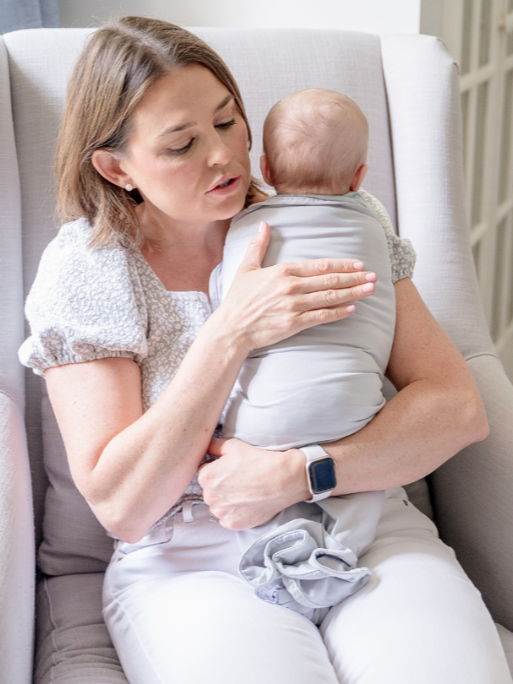
Early morning wake-ups are exhausting, but they are almost always addressable. The key is identifying which factor, or combination of factors, is driving the early rising for your specific child and making changes consistently over time. Quick fixes rarely hold. What works is a thoughtful approach applied with patience.
The goal is not just to get your child to sleep a little later. It is to build grounded, predictable mornings that anchor the rest of their day and give you the start to your morning that you deserve.
If you have worked through this list and early wake-ups are still a struggle, we would love to help. Book a complimentary consultation to put together a personalized plan that works for your family.
Meg O'Leary is an Infant and Child Sleep Expert and the founder of A Restful Night. Based in Westchester County, NY, she leads a team of certified sleep coaches to provide virtual support to families across the US and around the world.