The 2-Year Sleep Regression: What to Know
Your two-year-old was sleeping beautifully, and then, seemingly overnight, bedtime became a negotiation, naps became optional, and 5:00 a.m. became a party. If that shift feels different than the infant sleep disruptions it’s because this is toddlerhood and regressions take on a whole new level. This time, your child can climb out, call your name, and tell you exactly what they do and don't want.
The good news is that the 2-year sleep regression is common, temporary, and deeply tied to everything your child is learning right now. Understanding what's driving it makes it far easier to respond in a way that actually helps.
Is the 2-Year Sleep Regression Real?
Yes, though not every child goes through it, and it rarely arrives right on cue at the second birthday. It can show up as a late 18-month regression, land a little after two, or be triggered by a specific change like a move or a new sibling. For a complete map of how these phases unfold across the early years, our guide to the major sleep regressions lays them out.
What sets this one apart is that it's less about a single developmental leap and more about several big changes converging at once: shifting sleep needs, a surge in independence, and a rapidly growing mind.
Signs of the 2-Year Sleep Regression
If you're trying to work out whether this is a true regression or something else, a few patterns tend to show up together:
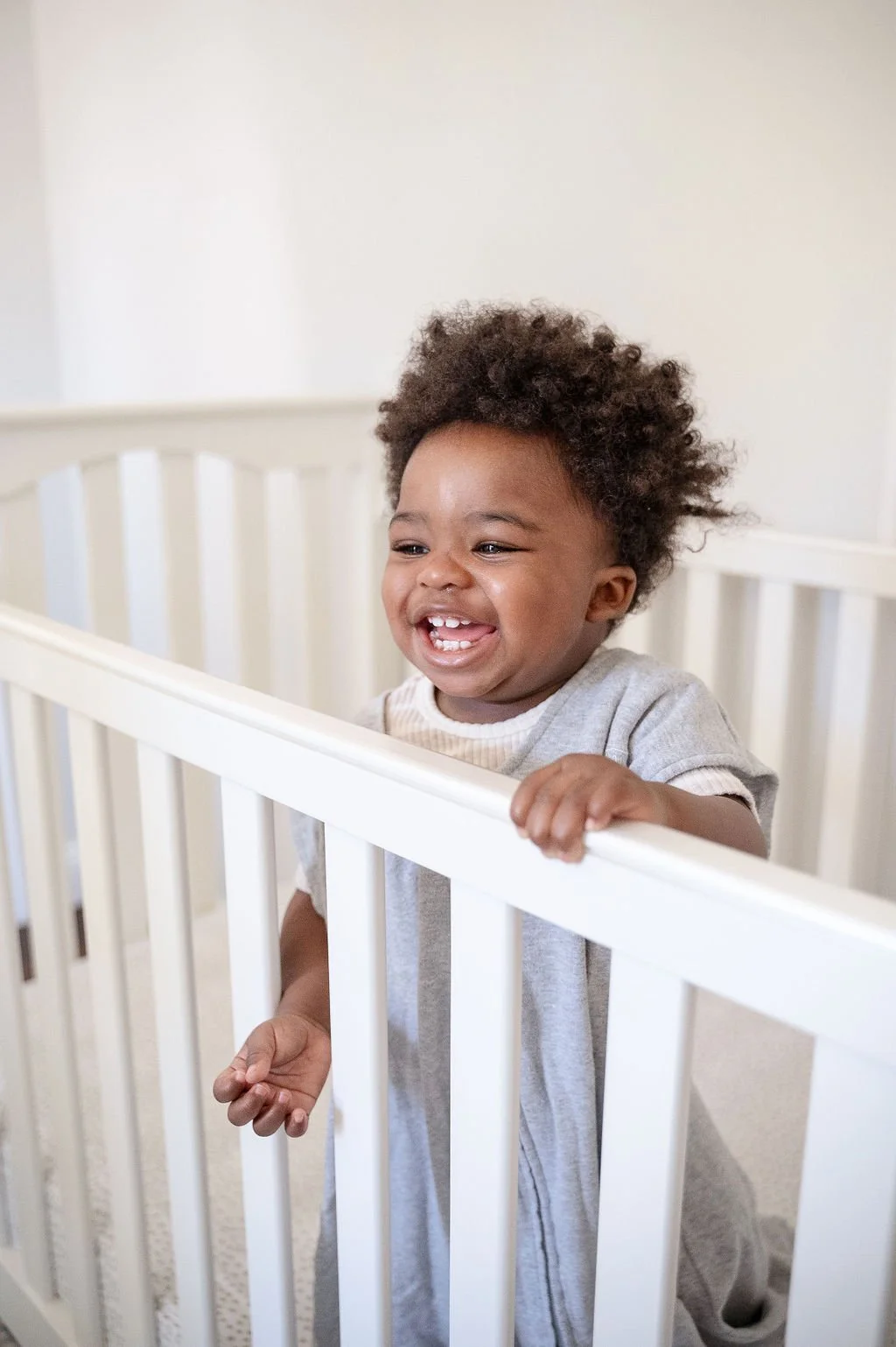
Bedtime stalling and negotiating, with a steady stream of one more story, one more sip of water, one more hug, one more anything
New or sudden nap refusals, or a reliable nap that starts falling apart
Night wakings after a long stretch of sleeping through
Early morning waking that wasn't there before
New fears, big feelings, or calling out for you by name
Climbing out of the crib or testing physical limits at sleep times
When several of these appear at once in a child who was previously sleeping well, a regression is the likely explanation.
Why This Regression Feels Different
With a baby, disrupted sleep usually meant crying that called for soothing or feeding. A two-year-old brings something else entirely, including clear vocal protest, physical standing in the crib, bargaining for one more story, expressing a fear, or simply announcing that they're not tired.
That changes the experience for parents, too. Responding to a verbal, opinionated toddler at midnight asks more of you than settling an infant did, and it can feel more personal even when it isn't.
What's Really Driving the 2-Year Regression?
Most of what looks like defiance at this age traces back to two overlapping sources. Sorting out which one is in play, or whether both are, points you toward the right response.
Changing Sleep Needs
By age two, many children need only about 12 to 12.5 hours of sleep across a full 24-hour period. As that total drops, the nap starts to carry less weight, and this is where a lot of families get tripped up. A nap that's too long or too late can quietly drain the sleep pressure a toddler needs to fall asleep at bedtime, which often results in stalling, bedtime battles, or early waking.
It's worth resisting the instinct to assume your child is simply overtired. Sometimes the opposite is true, and a small trim to daytime sleep restores easy bedtimes. Auditing the schedule is the first move, and our toddler sleep schedule is a helpful reference point. In practice, easing this often means capping a runaway nap, shifting it a little earlier in the day, or protecting an earlier bedtime rather than pushing it later.
Big Developmental and Behavioral Leaps
At the same time, your toddler's world is expanding fast. Language often explodes around now, and all those new words and ideas can be genuinely hard to switch off at night. Growing body awareness, sometimes alongside early potty training, can mean more waking. And a powerful new drive to climb, jump, and test physical limits shows up right when you'd most like them to stay put.
The Importance of Non-Sleep Related Patterns and Boundaries
Here's the insight I most want you to sit with: many two-year sleep struggles are fueled by factors unrelated to sleep. Toddlers are constantly reading what we reinforce. If a certain response reliably follows a certain protest, whether that's a parent rushing in or a specific parent being summoned, your child learns the pattern quickly, and it can spill straight into bedtime.
The same goes for physical boundaries. A toddler can't compartmentalize why climbing in and out of the high chair or car seat is allowed but climbing out of the crib is not. Being mindful of what we permit during the day, and offering safe outlets for all that energy, like the playground or a small outdoor trampoline, helps keep those signals consistent. Our post on toddler impulse control digs into this.
How Long Does the 2-Year Sleep Regression Last?
Most sleep regressions run about 2 to 6 weeks, and the 2-year version is no different. How long it lingers depends largely on how you respond and on whether anything else, like illness, teething, or a schedule that no longer fits, is compounding it. Staying calm and consistent through the bumpy stretch helps it pass on the shorter end rather than drag on.
How to Help Your Two-Year-Old Through It
Once you know what's driving the regression, the response is fairly straightforward:
Start with the schedule. Check whether the nap has grown too long or crept too late, and adjust before assuming anything else.
Hold your boundaries and routine steady. Consistency is reassuring, especially when your toddler is testing where the edges are.
Keep responses consistent across caregivers. A united, predictable approach gives your child less to negotiate against.
Offer safe physical outlets by day. Plenty of active play makes it easier for the body to settle at night.
Stay patient. Like every regression, this one is a phase, and it passes.
Final Thoughts
The 2-year sleep regression tends to feel bigger than the baby-stage bumps because your child is bigger, louder, and more capable now. But the path through it is the same one that's always worked: understand what's really happening, keep your response calm and consistent, and give it time.
One honest note. Regressions hit harder and linger longer for children who don't yet fall asleep and resettle on their own. If your two-year-old still relies on a lot of help to sleep, this can feel like everything unraveling at once. That's fixable, and it's often the real turning point for families.
If you're ready for steadier nights, book a complimentary consultation with A Restful Night. We'll look at the full picture, schedule, behavior, and sleep skills, and build a plan that fits your family.
Meg O'Leary is an Infant and Child Sleep Expert and the founder of A Restful Night. Based in Westchester County, NY, she leads a team of certified sleep coaches to provide virtual support to families across the US and around the world.