Toddler Naps on the Go: How to Make Them Count
The weather is warming up, the days are getting longer, and your family is ready to get out of the house. But somewhere between packing the sunscreen and loading the stroller, the same question creeps in: what about nap time?
I get it. You have worked hard to build a solid sleep routine, and the idea of disrupting it for a trip to the zoo or a backyard cookout can feel risky. But here is the truth: life is meant to be lived. Warm spring and summer days are for making memories as a family, and you should be able to enjoy them without guilt.
The key is knowing how to take a nap on the go count when you need to, and how to adjust the rest of the day when things do not go perfectly. That is what this guide is all about.
Why Nap Consistency Matters (And Why It Gives You Freedom)
This might sound counterintuitive, but the more consistent you are with naps at home, the more flexibility you earn when life takes you out of the house. A child who naps well in their own sleep space most of the time has a strong sleep foundation to fall back on. A day off schedule will not undo all that hard work, I promise!
Think of it this way: if your child's nap routine is solid five or six days a week, one on-the-go nap is not going to derail their sleep. Their body knows what to expect, and one flexible day is easy to recover from. It’s more likely to disrupt your child’s sleep if every day is unpredictable and the child has no consistent routine to anchor to.
Consistency is what makes flexibility possible. So if you have been putting in the work at home, give yourself permission to enjoy the payoff.
Stay Out or Head Home? How to Decide

Not every outing requires the same game plan. Sometimes it makes sense to rush home for nap time, and sometimes it makes more sense to roll with it. Here are the factors I encourage parents to weigh:
How long is the outing? A quick morning trip to the park is very different from an all-day event. If you will be out through the entire nap window, plan for a nap on the go. If you can be home in time, adjusting your plans slightly might be easier.
What is your child telling you? Pay attention to sleep cues. If your child is rubbing their eyes and getting fussy well before you planned to leave, that is your signal. A child who is still engaged and happy has more runway.
What does the rest of the day look like? If you have a calm evening ahead, a shorter or skipped nap is easier to recover from. If you have dinner plans or an event later, protecting the nap becomes more important so your child can make it to bedtime without falling apart.
How did your child sleep last night? A child coming off a great night of sleep has more flexibility built in than one who was up multiple times. Factor in how rested they are before deciding to push through.
There is no single right answer. The goal is to make an informed decision rather than a reactive one. Keep in mind that some days naps might just fall apart. That’s okay too!
Tips for Making a Nap on the Go Work
When you do decide to stay out, a few small strategies can make the difference between a solid on-the-go nap and a five-minute catnap that leaves everyone worse off.
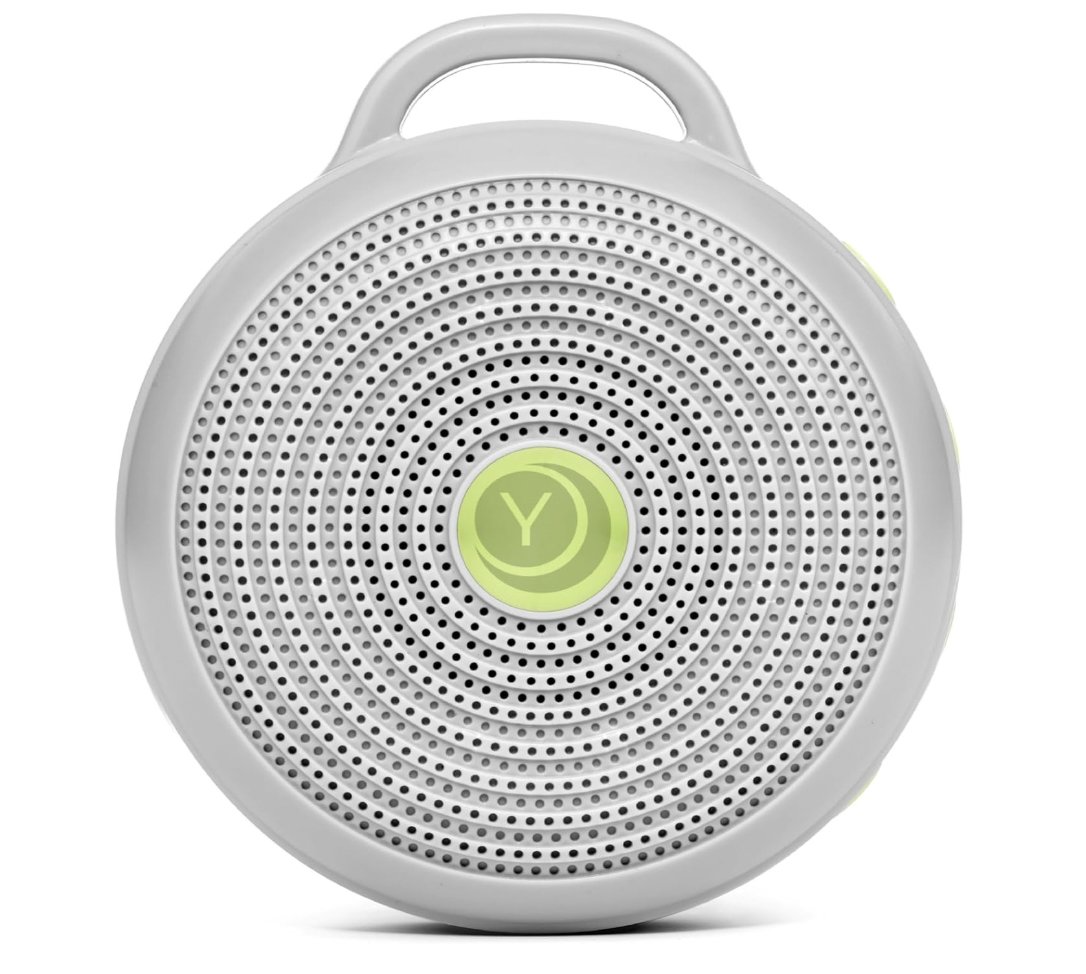
This Yogasleep portable white noise machine is a great on-the-go option!
Bring familiar sleep cues. Your child's lovey, a familiar blanket, or a white noise app on your phone can recreate enough of their sleep environment to help them settle. These portable cues signal to your child's brain that it is time to rest, even if the setting is different.
Use the stroller or car seat strategically. If your child falls asleep easily in the stroller, time your walk for nap time. If the car is your best bet, plan your drive to overlap with the nap window. Motion naps are not a long-term solution, but they are a perfectly good tool for a one-off on-the-go day. Safety Note: Never, ever, leave an unattended child in the car, even if it means waking them up at your destination. The extra minutes of sleep are never worth the risk. Also, always remove your child from the car seat once you arrive at your destination. Infants should not remain in the bucket car seat for the sake of a nap.
Bring a Pack 'n Play for longer visits. If you are spending the day at a friend's house, a family gathering, or a picnic at the park, a Pack 'n Play gives your child a safe, familiar-feeling space to nap in. Set it up in a quiet room or shaded area and treat it like nap time at home as much as possible.
Keep expectations realistic. An on-the-go nap will probably not be as long or as restorative as a nap at home. That is okay. Even a 30 to 45 minute catnap takes the edge off and helps your child get through the rest of the afternoon.
Protect the environment as much as you can. Roll the stroller into the shade, or find a quiet corner. You do not need perfection, but reducing light and noise helps.
A NOTE ON STROLLER COVERS: It can be tempting to drape a blanket over your stroller to block out light, but it creates a serious safety risk. Children can overheat quickly, especially in warmer weather, and proper air circulation is essential. An imperfect nap is always better than an unsafe one.
How to Adjust Bedtime After a Short Nap
This is the piece that ties everything together. When the nap is shorter than usual or does not happen at all, bedtime will likely need to be adjusted to compensate. It is the simplest and most effective way to prevent overtiredness from snowballing into a rough night.
Here is a general guideline:
Nap was shorter than usual: Move bedtime 15 to 30 minutes earlier than normal. If bedtime is typically 7:30, aim for 7:00 or 7:15.
Nap was skipped entirely: Move bedtime 30 to 60 minutes earlier. A 6:30 or 6:45 bedtime is not unusual on a no-nap day, especially for toddlers who are still in the nap-dropping transition.
The goal is to keep the total amount of sleep in 24 hours as close to your child's sleep needs as possible. A short nap paired with an early bedtime usually means your child wakes up the next morning well-rested and back on track.
One important note: even though bedtime is earlier, keep the bedtime routine the same. Do not rush through it or skip steps. The routine is what helps your child wind down, and that matters even more on a day when their body is running on less rest.
TIP: If you think your toddler might be ready to drop the nap entirely, we just dropped an informative blog on quiet time ideas
Final Thoughts
I know how easy it is to let nap anxiety keep you tethered to the house. There are days when protecting the nap is the right call. But spring and summer are short, and your child's early years are even shorter.
A trip to the beach, an afternoon at a birthday party, a walk through the farmer's market: these are the moments that make family life full. Your child's sleep will not fall apart because of one flexible day. If you have built a strong foundation at home, you have the freedom to be flexible when it counts.
So pack the stroller, throw the lovey in the diaper bag, and go make some memories. You can always move bedtime up tonight.
If your child's sleep has become unpredictable in general, book a complimentary consultation. We will look at the full picture and build a plan that fits your family's real life.
Meg O'Leary is an Infant and Child Sleep Expert and the founder of A Restful Night. Based in Westchester County, NY, she leads a team of certified sleep coaches to provide virtual support to families across the US and around the world.