The First Month of Newborn Sleep: What to Expect
If you’re expecting a baby or have just brought one home, you’ve probably heard “sleep when the baby sleeps” and “enjoy it, it goes fast”—plus every cliché in between.
Let’s be honest: while these sentiments have been passed down for generations, they don’t actually tell you what newborn sleep looks like on a day-to-day basis.
Here is what I want you to know before anything else: newborn sleep is unpredictable, and that is completely normal.
The first month is about learning each other, meeting your baby's needs, and giving yourself grace while you find your footing.
As a mom of four and an infant and toddler sleep expert, I have been through this phase multiple times. This guide is designed to give you a realistic picture of what to expect so you can feel prepared rather than blindsided.
How Much Do Newborns Sleep?

In the first month, most newborns sleep between 16 to 20 hours in a 24 hour period. That sounds like a lot, but sleep comes in short stretches, typically 45 minutes to 3 hours at a time, spread across day and night.
Your baby does not know the difference between day and night yet. Their circadian rhythm has not developed. That means overnight stretches will be short and broken up by feedings, and that is exactly how it should be at this age. This is often referred to as “day-night confusion”.
In my experience, parents feel a lot better about the first month when they stop comparing their baby's sleep to what they think it should look like and start working with what is actually happening. Our complimentary newborn schedule gives you a flexible framework to use as a starting point.
How Newborn Sleep Cycles Work
One of the most helpful things you can understand about your newborn is how their sleep cycles differ from yours. This information explains a lot of the behavior that catches new parents off guard.
Adult sleep cycles last about 90 minutes and include multiple stages, from light sleep to deep sleep to REM. We cycle through these stages several times a night and usually transition between them without fully waking.
Newborn sleep cycles are much shorter, roughly 30-50 minutes. Newborns also spend a significantly higher proportion of their sleep in active (REM) sleep. During active sleep, your baby may twitch, make sounds (lots of sound!), move their eyes, and even smile. This is normal and not necessarily a sign that they are waking up.
At the end of each short cycle, your baby briefly surfaces to a lighter state of sleep. Sometimes they settle back in on their own. Other times, they wake fully and need help. This is why naps are often short and overnight sleep comes in bursts rather than long stretches. Your baby waking frequently is not a sleep struggle. It is biology.
Feeding and Sleep in the First Month
Sleep and feeding are deeply connected in the newborn stage, whether you are breastfeeding, bottle feeding, formula feeding, or any combination. Your baby's stomach is small and empties quickly, which means frequent feedings around the clock are necessary.
In the first few weeks, most babies eat every 2 to 3 hours, including overnight. Some cluster feed in the evenings, eating more frequently before settling into a longer sleep period. This is common and not a sign that something is wrong with your supply or that your baby is not getting enough.
A few things to keep in mind:
Follow your baby's hunger cues. Rooting, sucking on hands, and fussing are early hunger signals. Crying is a late signal. Feeding on demand in the first month supports healthy weight gain and helps establish your supply if you are nursing.
Wake to feed if needed. If your newborn is sleeping longer than 2 hours during the day, wake them and initiate a feed. This will help set a rhythm and ensure your baby gets the calories in during the day that they need!
Follow your pediatrician’s guidance on overnight feeds. Typically you should wake your baby every 3-4 hours overnight to feed. Your pediatrician can help you determine when your baby has gained enough weight to let them sleep longer stretches without being woken.
Nighttime feeds should be calm and boring. Keep lights low, voices quiet, and interaction minimal. Feed, burp, change if needed, swaddle and lay your baby back down. This helps reinforce the difference between day and night over time.
What a Typical Day Looks Like
There is no single "right" schedule for a newborn. Instead, you are working with a rhythm: a repeating cycle of eating, a short period of wakefulness, and then sleep.
Wake windows in the first month are very short. Most newborns can only handle 45 to 60 minutes of awake time before they need to sleep again, and that includes feeding and changing. When you see sleepy cues like yawning, turning away, or fussiness, that is your signal to help your baby wind down.
A typical 24-hour period might include 4 to 6 naps of varying lengths plus overnight sleep broken into 2 to 3 hour stretches. Some days will be more predictable than others. That is part of this stage, and I won’t sugar coat it: it’s hard. But it’s temporary, I promise.
Setting Up a Safe Sleep Space
Every sleep, whether it is a 20-minute nap or a longer overnight stretch, should happen in a safe sleep environment. This means a firm, flat surface in a crib, bassinet, or pack and play with nothing else in it. No blankets, pillows, bumpers, or stuffed animals.Always place your baby on their back to sleep. Use a swaddle to help create a womblike feeling, assuming your baby has not yet started rolling, and consider white noise to help buffer household sounds.Contact naps are wonderful for bonding and are safe when you are fully awake and alert. But when you need to put your baby down or are feeling drowsy, a safe sleep space is essential. Our sleep space guide covers everything you need to set up the right environment.
Need registry recommendations?
I’ve handpicked my favorite newborn products that I trust for my babies, friends, and clients. Whether you’re planning your nursery or compiling your baby registry, these must-have items are perfect for promoting safe, restful sleep.
Taking Care of Yourself, Too
I would be doing you a disservice if I wrote about the first month and did not mention the parents. The newborn stage is physically and emotionally demanding. Sleep deprivation is real, recovery from birth is real, and the adjustment to life with a new baby is significant.
Accept help when it is offered. Let someone hold the baby while you rest. And if you are feeling overwhelmed, anxious, or unlike yourself, please talk to your partner, a friend, and your healthcare provider.
We have put together a postpartum support guide with resources and practical strategies for navigating this season. You do not have to do this alone.
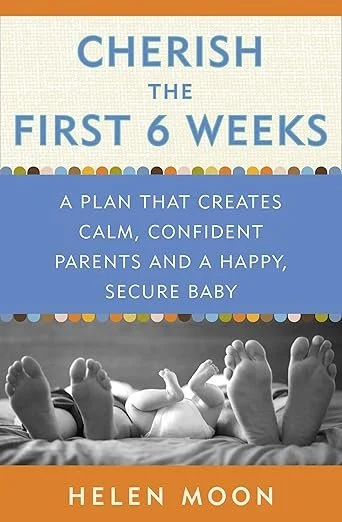
The only newborn book you need
There’s no shortage of books on becoming a new parent—and while it can be tempting to build a long reading list, you really don’t need one. If I had to recommend just a single, truly worthwhile read, it would be Cherish the First 6 Weeks by Helen Moon.
What Comes Next
The first month is about survival, bonding, and learning your baby. The habits you build now, consistent sleep cues, a safe environment, and awareness of your baby's rhythms, lay the groundwork for stronger sleep ahead.Around 3 to 4 months, your baby's sleep architecture matures, and their circadian rhythm takes shape. That is when patterns become more predictable and when families often start thinking about independent sleep skills.
For now, focus on the basics. You are doing a better job than you think.If you have questions about your newborn's sleep or want to feel more confident heading into the next few months, book a complimentary consultation call and we will talk through what is happening and where to go from here.
Meg O'Leary is an Infant and Child Sleep Expert and the founder of A Restful Night. Based in Westchester County, NY, she leads a team of certified sleep coaches to provide virtual support to families across the US and around the world.