Pack ‘n Play Sleep: How to Help Your Baby or Toddler Sleep Well While Traveling
If I had a dollar for every time I heard "my baby hates the Pack ‘n Play," I could book myself a very nice vacation.
Here is the truth: it is usually not the Pack ‘n Play. It is sleep skills, an unfamiliar space, and sometimes our own confidence as parents. The good news is that all three of those things are addressable, and with a little preparation, travel sleep does not have to derail the whole trip.
Whether you are heading somewhere for spring break or planning any trip with a baby or toddler, here is what I have learned from traveling with four kids and from working with hundreds of families navigating exactly this.
In search of the perfect Pack ‘n Play?
Why Babies and Toddlers Struggle to Sleep in a Pack ‘n Play
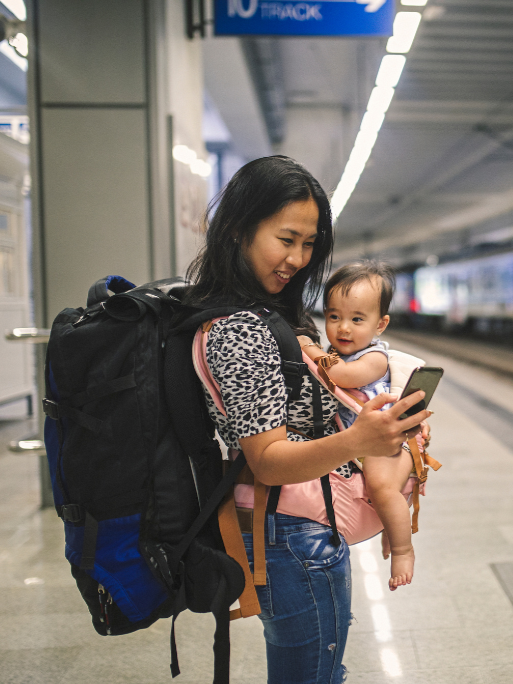
The Pack ‘n Play itself is rarely the problem. What makes sleep harder in a new environment is the combination of unfamiliar surroundings, a disrupted routine, and, most importantly, whether your child has the independent sleep skills to fall asleep without leaning on external support.
A child who falls asleep independently at home, placed in their crib awake and able to settle on their own, has a skill they can take anywhere. A child who relies on being fed, rocked, or held to fall asleep at home will look for that same support in a new environment.
This is why building independent sleep skills before you travel is the single most effective thing you can do to set your child up for success on the road.
Start Before You Leave: Practice at Home
One of the most overlooked travel sleep strategies is simple: use the Pack ‘n Play before you go. If the first time your child sees it is in a hotel room on night one of vacation, you have already made things harder on yourself.
A few weeks before your trip, pull out the Pack ‘n Play and set it up in your child's room. Use it for a nap or two, or even overnight. Once they are comfortable with it in a familiar space, move it to a guest room or another part of the house. You are gradually expanding their comfort zone so that by the time you arrive at your destination, the Pack ‘n Play is already familiar.
This practice step takes minimal effort and makes a real difference. The more your child has slept in it before you travel, the less work you will have to do once you get there.
Set Up the Sleep Space Intentionally
When you arrive at your destination, resist the urge to save the Pack 'n Play setup for bedtime. Instead, put it together as soon as you get into the room and let your child spend time in and around it while you unpack. If your child is under 7 months old and not yet standing we encourage you to do some crib acclimation. Toss a few familiar toys in and give them a chance to acclimate while you are unpacking. If your child is a toddler, instead have them help you get it set up and put their lovey or comfort item in.
The sleep environment itself matters just as much on the road as it does at home. Here is what to prioritize:
Darkness: Hotel rooms and vacation rentals are often poorly blacked out, and extra light is one of the fastest ways to disrupt sleep. Pack a portable blackout shade or use a combination of blankets and tape over gaps. This is especially important in spring and summer when sunrise is early.
White noise: A white noise machine is one of the most valuable items you can pack. It masks unfamiliar sounds, whether that is hallway noise, street traffic, or other guests, and it acts as a familiar sleep cue your child already associates with sleep at home.
Temperature: Aim for the same sleep temperature your child is used to at home, generally between 68 and 72 degrees Fahrenheit. If the room runs warm, dress them lighter. If it runs cool, have an extra layer ready.
For a full checklist of what makes a good sleep environment, our sleep space tips are a helpful starting point. If you know you’ll be sharing a sleep space on vacation, we have tips for room sharing too!NOTE: Make sure not to add anything to the pack and play, like extra blankets or mattresses.
Bring Your Routine With You
Routines are what help children feel safe and confident in unfamiliar spaces. Your child does not know this hotel room, but they know what a bath, pajamas, a book, and a song mean. That sequence is a signal that sleep is coming, and it works the same way whether you are at home or 500 miles away.Pack the items that are part of your child's usual wind-down: their sleep sack, a comfort item if they use one, their white noise machine, and a favorite book. Stick as closely as possible to the same order of events at the same time of day.If you do not yet have a consistent bedtime routine at home, that is worth building before you travel. A predictable bedtime routine is one of the most portable sleep tools you have.
Stay Confident When You Put Them Down
This one is harder than it sounds, but it matters. If we approach the Pack 'n Play with hesitation or anxiety, they will too. Go through your routine with the same calm energy you bring at home. Your confidence communicates to them that this is safe and normal.
If your child cries when you place them in the Pack 'n Play…
It does not mean you are doing something wrong. Give them a moment. If they need some reassurance, try some cribside soothing first, then step out. Come back after a few minutes and repeat as needed, extending the time slightly between check-ins. This approach communicates something important to your child: you always come back, and they are safe.
Scooping them up at the first sound of protest teaches them that crying is the exit. Holding expectations calmly and consistently teaches them that they can do this.
Keep Your Expectations Realistic
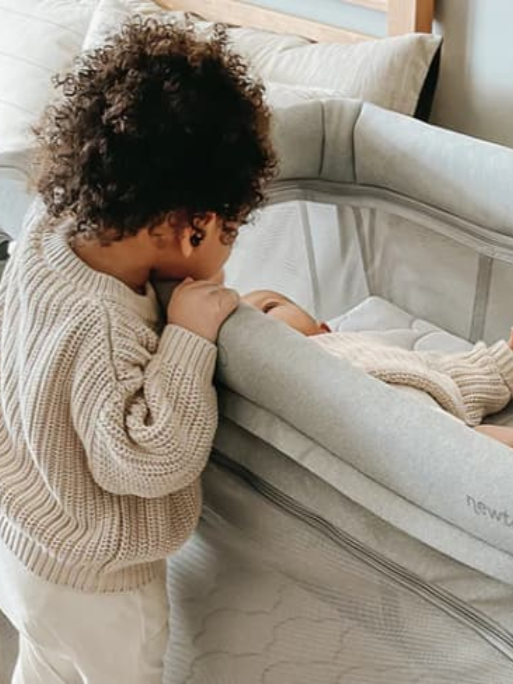
Not every night on vacation will be perfect, and that is okay. Travel sleep is almost always a few notches below what you get at home, and that is normal. The goal is not flawless sleep on every trip. The goal is a child who has the skills to settle in new environments, and a family that can actually enjoy being somewhere together.
If naps go sideways during travel, do not panic. A missed or short nap on a travel day happens to everyone. What matters is getting back to your routine the following day. If you run into bigger disruptions, a schedule reset when you return home may be all you need.
The families I work with who travel most successfully are the ones who have done the foundational work at home. They are not white-knuckling every bedtime. They pack their routine, they set up the space, and they go on their trip.
Pack 'n Play Sleep: A Quick Checklist
Before you leave:
Set up the Pack 'n Play at home and use it for at least one or two naps or overnights before your trip
Practice in a different room, such as a guest room or sibling's room, so the unfamiliar setting is less of a leap
Make sure your child is falling asleep independently at home before you travel
For the sleep environment:
Pack a portable blackout shade or solution
Bring a white noise machine from home, not a new one
Dress your child appropriately for the room temperature
For the routine:
Bring their sleep sack, comfort item, and favorite book
Follow the same bedtime sequence in the same order
Set up the Pack 'n Play on arrival so your child can acclimate before bedtime
Final Thoughts
Traveling with a baby or toddler is one of those things that feels daunting until you do it enough times that it becomes normal. Every trip builds on the last. The more you go, the more your child understands that sleep happens wherever you are, as long as the cues are there.
Live your life. Make memories. A few rough nights along the way are worth it, and they get fewer the more you practice.
If you are heading into spring break and feeling uncertain about your child's sleep skills before you go, book a complimentary consultation and we can put together a plan that sets your family up for a smoother trip.
Meg O'Leary is an Infant and Child Sleep Expert and the founder of A Restful Night. Based in Westchester County, NY, she leads a team of certified sleep coaches to provide virtual support to families across the US and around the world.