Daylight Saving Time & Kids: Your Step-by-Step Plan for Spring Forward
It's that time of year again. On Sunday, March 8, 2026, at 2:00 AM, we'll spring forward into daylight saving time, moving our clocks ahead one hour. While you might be mourning that "lost" hour of sleep, here's some good news: spring forward is actually the easier of the two time changes for most families.
Yes, really.
Daylight Saving Time is a sleep consultant’s Superbowl - and I can tell you that while this shift presents some challenges, it's nowhere near as disruptive as the fall time change. With a few simple strategies and a little patience, your child will adjust smoothly to the new schedule.
Let's walk through exactly what to expect and how to make this transition as painless as possible for your whole family.
What Is Spring Forward?
Daylight saving time begins on the second Sunday in March each year. At 2:00 AM, clocks move forward to 3:00 AM, which means we "lose" an hour overnight.
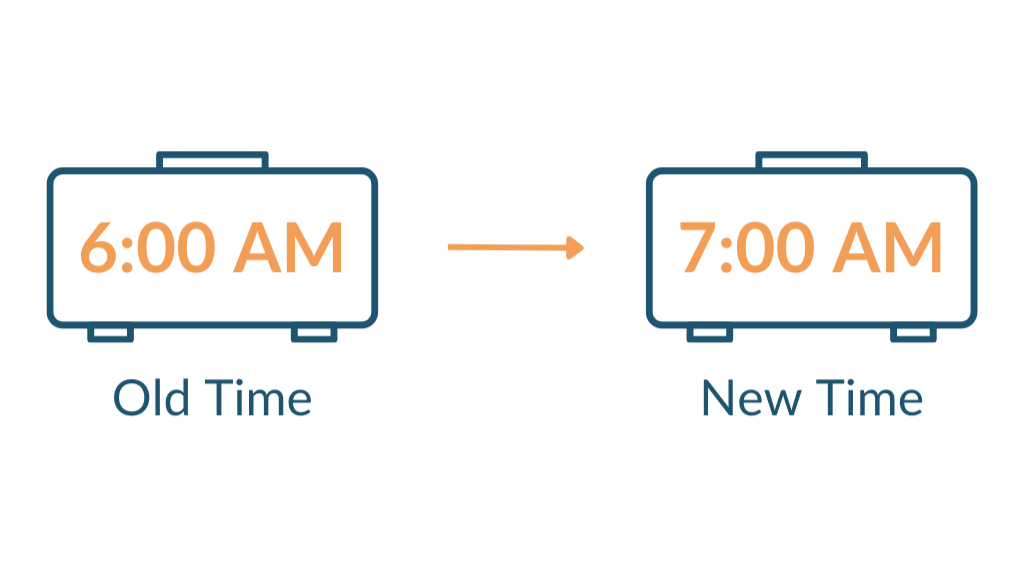
In practical terms, if your child typically wakes at 7:00 AM, their body will still think it's 6:00 AM on Sunday morning. If bedtime is usually 7:00 PM, their internal clock will register it as 6:00 PM. Everything shifts forward or as some say “springs forward” by one hour.
The benefit? Longer evenings with more sunlight. The challenge? Your child's internal clock needs time to catch up to the new schedule.
Why Spring Forward Is Easier Than Fall Back
Here's why this time change works in your favor: you're essentially asking your child to stay up a little later and sleep in a little longer. For most children, this is much easier than the fall transition, which requires going to bed earlier and waking up earlier.
Think about it. Getting a toddler to stay in bed an extra hour in the fall feels nearly impossible. But keeping them up an extra hour in the spring? That often happens naturally, especially with the added evening sunlight.
The spring transition also aligns better with how many children naturally want to adjust their schedules as days get longer. Their bodies are already inclined to stay awake a bit later with more daylight, so you're working with their natural tendencies rather than against them.
What to Expect From Your Child's Sleep
Even though spring forward is the easier transition, you should still expect some adjustment period. Here's what's normal:
Sunday Morning: Your child may oversleep since the clock pushed ahead: 7am will feel like 6am to their body.
Sunday Afternoon: Your child might be groggy mid-day, especially when late afternoon hits, especially if they had to wake up “ontime” (their bodies will have lost an hour of sleep).
Sunday Evening: Bedtime might be a struggle. When the clock says 7:00 PM, your child's internal clock registers 6:00 PM, so they're not quite ready for sleep yet. It’s totally okay to push bedtime a little later for the first few days after the change.
Monday and Beyond: You may notice some crankiness, difficulty settling at bedtime, or some variability in wake-ups for a few days as their body adjusts to the new schedule.
Most children adapt within 3-5 days. Some adjust even faster, especially younger babies whose schedules are more flexible. Toddlers and preschoolers with more established routines might take the full week to feel completely back to normal.
How to Ease the Transition
You have two approaches for handling spring forward: preparing in advance or adjusting on the day. Both work well, so choose the one that fits your family best.
Option 1: Prepare in Advance (Gradual Approach)
If you want to be proactive, start making small adjustments on Thursday or Friday before the time change.
Shift bedtime 15 minutes later each night. If your child normally goes to bed at 7:00 PM, put them down at 7:15 PM on Thursday, 7:30 PM on Friday, and 7:45 PM on Saturday. When Sunday arrives and the clocks spring forward, their 7:00 PM bedtime will feel much closer to normal.
Adjust wake time accordingly. When your child wakes up, keep them in their crib or room for an extra 15 minutes each day. If your child is 2 years or older, use an OK-to-Wake clock to help them understand when it's time to start the day.
Shift meals and naps to match. Move lunch, snack times, and nap times later by the same 15-minute increments to keep everything aligned.
This gradual approach works especially well for children who are particularly sensitive to schedule changes or who have a harder time adjusting to transitions.
Option 2: Jump Right In (Cold Turkey Approach)
For most families, this is the approach I recommend. It's simpler, requires less planning, and children typically adjust just as quickly as they would with the gradual method.
On Saturday (the day before the time change), go about your normal routine. Don't make any adjustments to sleep schedules.
Consider shortening the last nap of the day or offering an earlier bedtime. This helps your child build up a little extra sleep pressure, which can make the transition smoother.
On Sunday you have two options: you can either let your child sleep in later than usual (if your child is a good morning sleeper), or you can start the day on your regular routine. For the latter, when your child wakes up, start the day at the new time immediately. Get them up, open the curtains, and begin your normal morning routine according to the clock.
Throughout Sunday, follow your regular schedule for meals and naps based on the new time. Yes, it will feel early to your child at first, but jumping right into the new schedule helps them adjust faster than making gradual changes.

When to Get Help
For most children, any sleep disruptions from spring forward resolve within 3-5 days. By the end of the first week, your child should be fully adjusted to the new schedule.
However, if you're still seeing significant sleep struggles after a week, something else might be going on. Reach out for help if you notice:
Bedtime battles that last longer than 30-45 minutes consistently after the first week.
Night wakings that persist or worsen rather than improving.
Very early morning wake-ups (before 6:00 AM) that continue beyond the first week.
Extreme crankiness or behavioral issues that don't improve as the week progresses.
Naptime struggles that don't resolve within 5-7 days.
These ongoing issues might indicate underlying sleep challenges that existed before the time change or sleep habits that need adjusting beyond just the schedule shift.
Final Thoughts
Spring forward might mean losing an hour of sleep on that first night, but it doesn't have to mean losing your sanity. This is genuinely the easier of the two time changes, and with consistency, outdoor time, and a little patience, your child will adjust quickly.
Don't stress about being perfect with the transition. Whether you prepare in advance or jump right into the new schedule on Sunday, your child's body will adapt. Most families find that within just a few days, everyone has settled into the new rhythm.
The key is staying consistent with the new schedule, getting plenty of sunlight, and maintaining your regular bedtime routines. Before you know it, you'll all be enjoying those longer spring evenings without a second thought about the clock change.
If your family is still struggling with sleep issues after the time change adjustment period, or if you'd like personalized support navigating this transition, we're here to help. Schedule a complimentary consultation call to discuss how we can get your whole family sleeping better.
Ready for better sleep this spring?
Meg O'Leary is an Infant and Child Sleep Expert and the founder of A Restful Night. Based in Westchester County, NY, she leads a team of certified sleep coaches to provide virtual support to families across the US and around the world.