Cold & Flu Season Sleep Tips: How to Support Rest When Your Child is Sick
If you have young children, you've probably already weathered a few rounds of runny noses, coughs, and those dreaded middle-of-the-night fever spikes.
When your child is sick, sleep becomes even more important for their recovery. But it's also when sleep feels most elusive. Congestion makes breathing difficult, coughs interrupt rest, and discomfort keeps everyone awake. As a mom of four I've spent plenty of nights managing sick kids while trying to preserve as much sleep as possible for everyone.
Here's what I want you to know: when illness strikes, your job isn't to maintain perfect sleep habits. Your job is to help your child feel comfortable enough to rest so their body can heal. Let's talk about how to do that effectively.
Essential Tools for Cold and Flu Season
Having the right supplies on hand before illness hits makes those middle-of-the-night moments so much easier. Here are the essentials I keep stocked in my house.
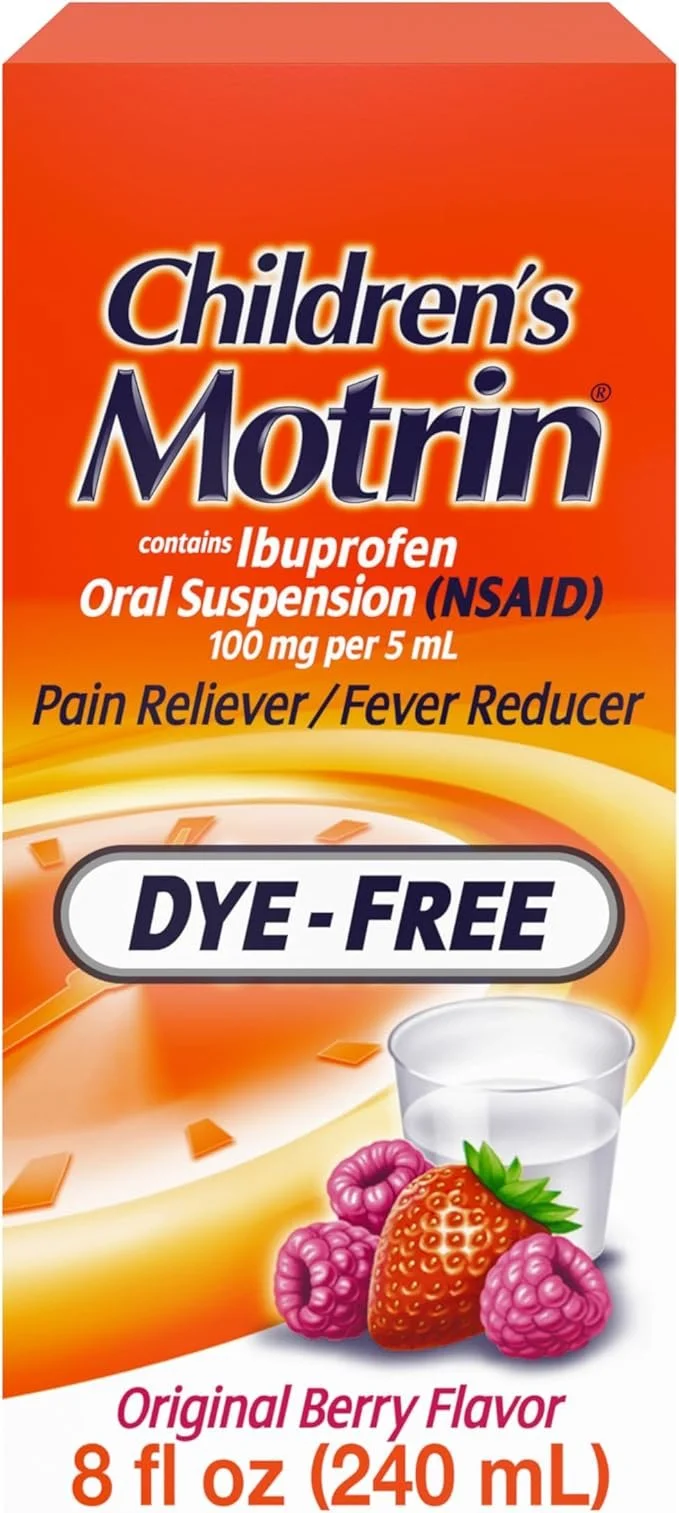
Children's Ibuprofen (Motrin)
I choose ibuprofen over acetaminophen because it lasts longer (6-8 hours versus 4-6 hours) and targets inflammation, which is especially helpful for sore throats or ear pain. Most pediatricians approve ibuprofen after 6 months of age.
I try to time a dose as close to bedtime as possible if I know it will help my child have a more restful night. Check with your pediatrician about appropriate dosing for your child's age and weight.
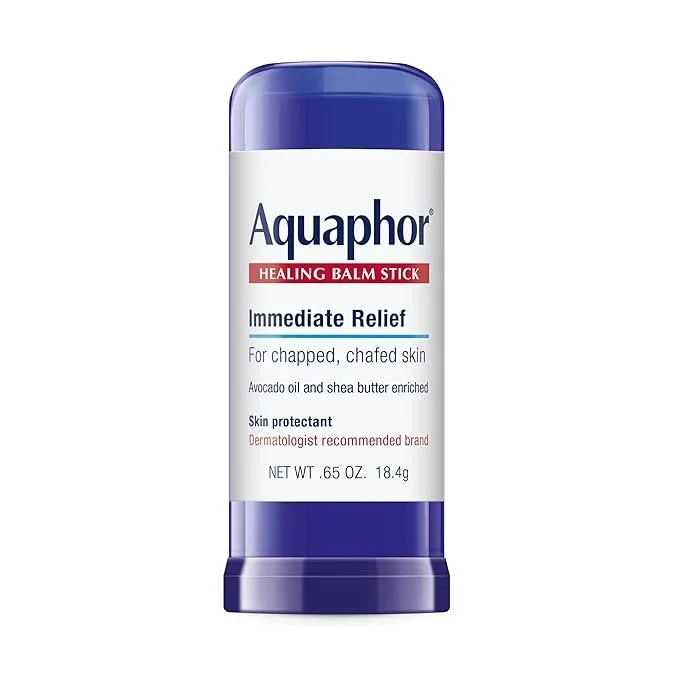
Aquaphor or Petroleum Jelly
When colds hit, my kids are constantly wiping their noses, which leaves the skin around their nose and cheeks red, raw, and irritated. I apply a thick layer of Aquaphor before bed to soothe and protect that sensitive skin overnight.
This is also helpful around the mouth if your child is breathing through their mouth due to congestion, which can cause chapping and dryness.

Natural Chest Rub
Products like Zarbees Natural Chest Rub can help with congestion. I apply it to the bottom of my kids' feet and put socks on them before bed and naptime. This works wonders at helping to clear congestion, especially when paired with a cool mist humidifier.
For children under 2, always check with your pediatrician before using any chest rub products, even natural ones.
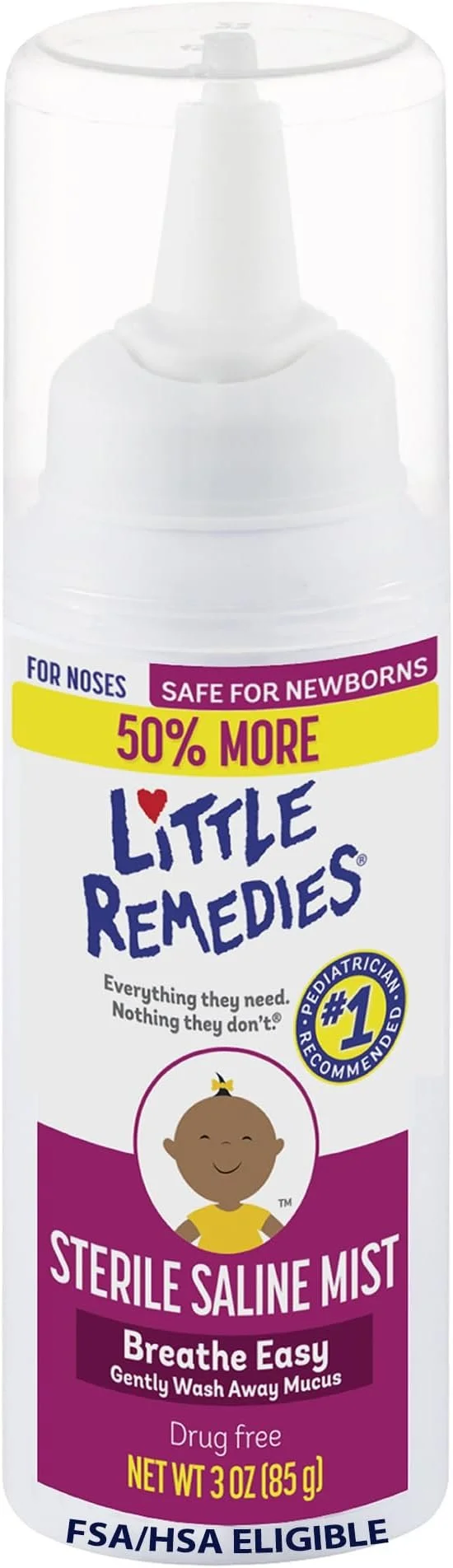
Saline Spray or Drops
Before bed or naptime, use saline to flush and moisturize your child's nasal passages. This helps loosen mucus and makes breathing easier. Products like Little Remedies saline spray are gentle and effective for all ages.
For babies, follow up with a nasal aspirator to remove loosened mucus. For older children, the saline alone often provides enough relief.
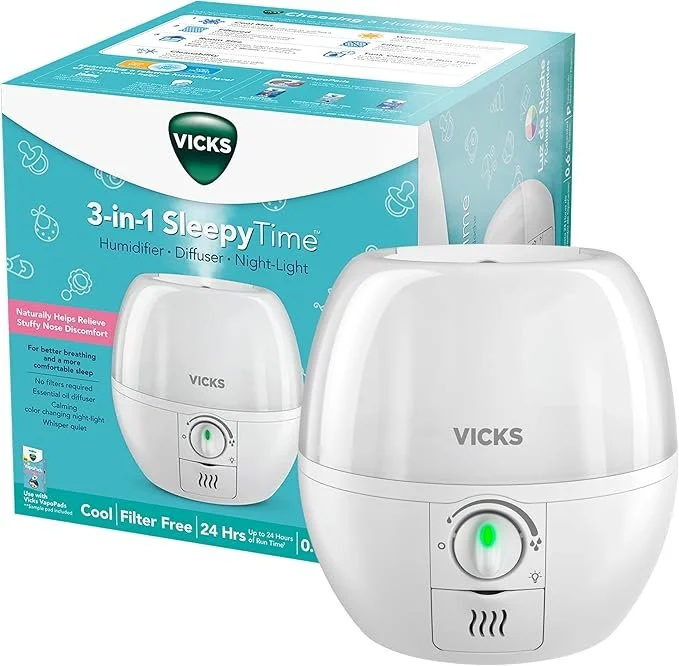
Cool Mist Humidifier
A humidifier adds moisture to the air, which helps loosen congestion and soothes irritated airways. Run it throughout the night in your child's room, positioning it safely away from the crib or bed.
Clean your humidifier regularly according to manufacturer instructions to prevent mold and bacteria growth.
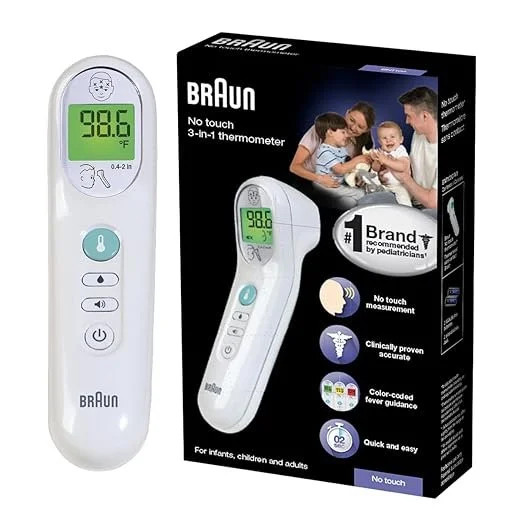
Digital Thermometer
If your child wakes overnight, you want to be able to check their temperature quickly without fully waking them. An ear thermometer or forehead thermometer allows you to get a reading while they're still drowsy, helping you decide if they need medication or if they're comfortable enough to settle back to sleep.
Elevated Sleep Position
For children over three in a bed slightly elevating the head with an extra pillow can help drainage and make breathing easier.
Never use pillows or positioning devices for babies under 12 months or babies in a crib. For these little ones, focus on clearing congestion before sleep and using a humidifier.
Managing Symptoms for Better Sleep
The goal during illness is keeping your child comfortable enough to sleep in longer stretches. Here's how to address the most common symptoms that disrupt sleep.
Congestion and Stuffy Nose
Congestion is one of the biggest sleep disruptors because it makes breathing difficult, especially for babies who are obligate nose breathers.
About 30 minutes before bedtime, add some congestion management to your routine: give a warm bath to help loosen mucus (this is a part of my kid’s regular routine anyways), use saline spray to flush the nasal passages, suction if needed for babies and younger toddlers, and apply chest rub to the feet.
Run a cool mist humidifier in the room throughout the night. Position your child's crib or bed away from the humidifier's direct mist, but close enough that they benefit from the added moisture in the air.
Cough
Coughs are exhausting for everyone because they interrupt sleep cycles repeatedly throughout the night.
Keep your child well-hydrated during the day. Fluids help thin mucus, making coughs more productive and less irritating.
For children over 12 months, offer a spoonful of honey before bed. Research shows honey can be as effective as over-the-counter cough suppressants for nighttime cough relief. Never give honey to babies under 12 months due to botulism risk and always consult with your pediatrician as needed. Run a humidifier to keep airways moist, which can reduce coughing fits.
If coughing is severe or persistent, consult your pediatrician. Some coughs require medical evaluation to rule out conditions like RSV, croup, or pneumonia.
Fever
Fever is your child’s body working to fight the infection often makes children uncomfortable enough that they struggle to settle for sleep.
Check your child's temperature if they feel warm or seem uncomfortable. Knowing the actual number helps you decide whether medication is warranted.
Administer appropriate fever reducer if your child is uncomfortable. The goal isn't to eliminate the fever completely, but to bring it down enough that your child can rest. Fever is actually helpful for fighting infection.
Dress your child in light, breathable layers. Don't bundle them up or overdress them when they have a fever.
Offer fluids frequently to prevent dehydration, which can make fever worse. This may mean an extra bottle or nursing session.
Sore Throat or Ear Pain
Pain makes sleep nearly impossible, especially for young children who don't understand why they hurt.
Give ibuprofen before bed if your pediatrician approves. Ibuprofen's anti-inflammatory properties specifically target the pain and swelling that comes with sore throats and ear infections.
For children over 12 months with sore throats, offer cold fluids or popsicles during the day. The cold provides temporary numbing relief.
For ear pain, a warm compress held against the ear can provide comfort before bed.
Getting Back to Normal After Illness
Once your child is feeling better, you might worry about returning to your regular sleep routine. The good news? Most children naturally fall back into their previous sleep patterns within a few days of recovery.
Give your child 2-3 days after their symptoms resolve to readjust. During this time, start moving back toward your normal schedule gradually.
Reintroduce your regular bedtime routine. The familiar pattern helps signal that things are returning to normal.
If you offer extra support during illness (like staying in the room longer or holding them to sleep), gradually reduce this support over several nights rather than stopping abruptly.
Be patient with temporary regressions. Your child might wake once or twice during the first few nights after illness, even though they're feeling better. This typically resolves quickly with consistency.
Final Thoughts
Cold and flu season is challenging for every parent. Balancing your child's comfort with everyone's need for sleep requires flexibility, patience, and the right tools to manage symptoms effectively.
Remember that offering extra comfort and support during illness doesn't undo sleep training or create bad habits. You're responding to a temporary situation where your child genuinely needs more help. Once they're healthy, you can guide them back to independent sleep.
If you find that illness has significantly disrupted your child's sleep and you're struggling to get back on track after recovery, we're here to help. Schedule a complimentary consultation call to discuss strategies for reestablishing healthy sleep habits.
Take the first step towards better sleep for the whole family!
Meg O'Leary is an Infant and Child Sleep Expert and the founder of A Restful Night. Based in Westchester County, NY, she leads a team of certified sleep coaches to provide virtual support to families across the US and around the world.