Choosing the Right Sleep Space: Cribs, Floor Beds, Toddler Beds & What to Avoid
Walk into any baby store and you'll be overwhelmed by sleep space options. Cribs with elaborate designs, trendy Montessori floor beds, convertible toddler beds, and themed furniture that looks more like a toy than a place to rest. With so many choices, how do you know which sleep space will actually help your child sleep well?
As a sleep expert, I've worked with hundreds of families navigating this exact decision. As a mom of 4, I’ve been in your shoes many times! The sleep space you choose affects more than just your nursery's aesthetic. It impacts your child's ability to fall asleep independently, develop healthy long-term sleep habits, and most importantly keeps them safe.Let's break down the most common sleep space options, what works well, what to consider carefully, and what to avoid altogether.
Is your toddler ready for the crib to bed transition?
Is your toddler ready for the crib to bed transition? Learn more about our 60 minute course, designed to guide you through preparation, the transition, and troubleshooting along the way.
The Classic Crib
A standard crib remains one of the best choices for infants and toddlers up to age 2 or beyond.
Cribs provide clear physical boundaries that create a sense of security and make it easier for babies to settle into sleep without distractions. The elevation and containment function of a crib keeps your child safe during sleep, so you don't have to worry about a 15-month-old wandering around their room at 2 AM.
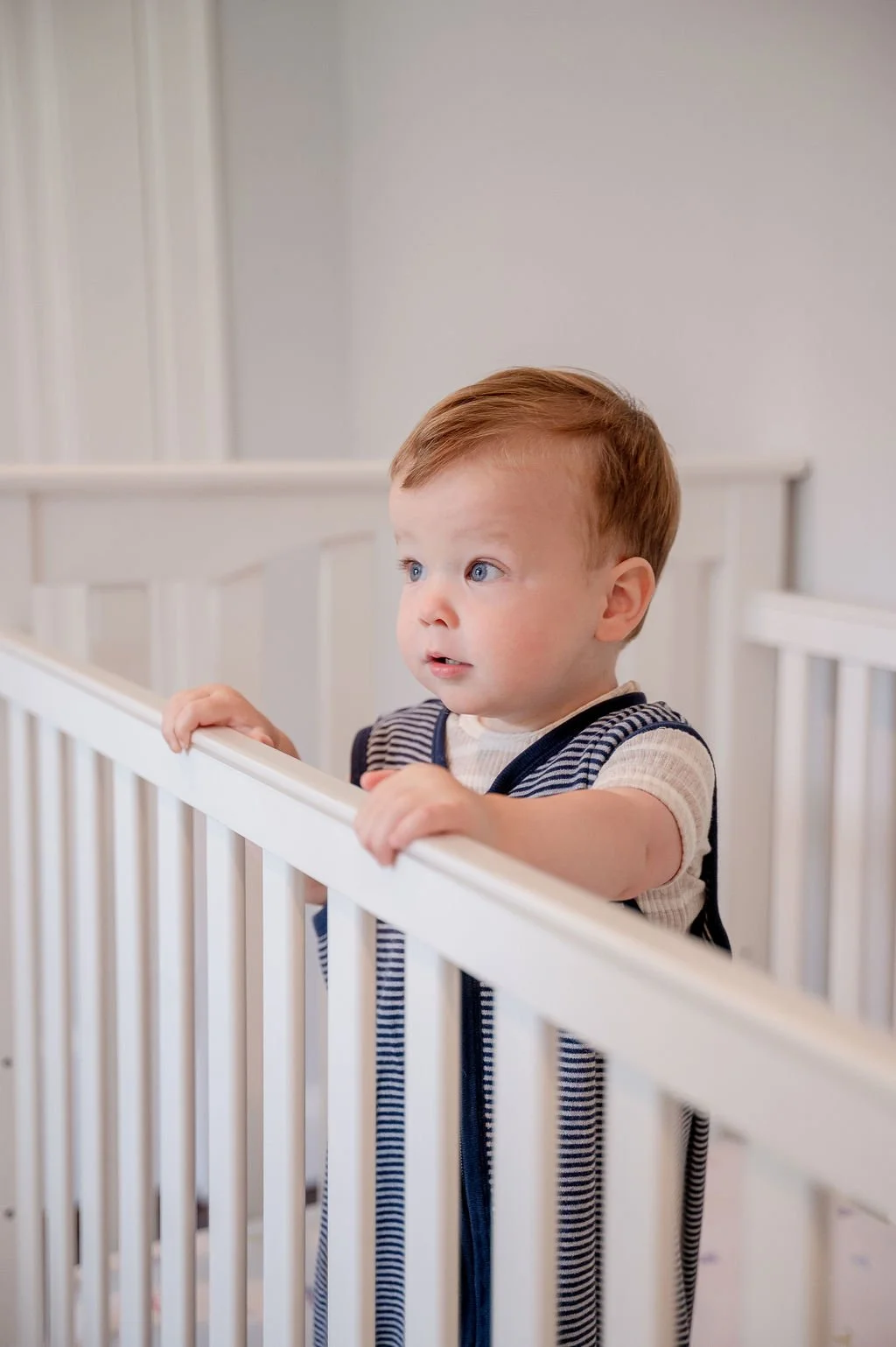
What to look for in a crib
Slats spaced no more than 2 3/8 inches apart to prevent entrapment, sturdy construction with no loose parts, adjustable mattress height, simple design. We suggest avoiding decorative cutouts. Simple is always best.
What to avoid in a crib
Cribs without slats that limit airflow and ventilation. Breathability is crucial for safe infant sleep. Solid-sided cribs might look modern, but proper air circulation around your baby reduces overheating risk and ensures fresh air throughout the night.
Drop-side cribs, which have been banned due to safety concerns. If you're considering a hand-me-down crib, make sure it's not a drop-side model.
Cribs with decorative elements like thick corner posts or elaborate carvings that can catch clothing or create entrapment hazards.
Montessori Floor Beds
Montessori floor beds have gained significant popularity, promoted as a way to encourage independence and allow children freedom of movement. While the philosophy is appealing, there are important considerations before choosing this option.
The appeal of a floor bed for toddlers
Floor beds allow children to get in and out of bed independently, aligning with Montessori principles of child-led movement. Parents appreciate the accessibility for bedtime routines and the perceived elimination of crib-to-bed transitions later on (although you are absolutely still making a transition when moving from a crib to a floor bed).
The reality of a floor bed for toddlers
For children under 2, Montessori floor beds can work against healthy sleep development. When a 12-month-old can simply roll off their mattress and explore at naptime or during the night, you're asking them to exercise impulse control they haven't developed yet.
The ease of getting out makes "staying in bed" significantly more challenging. Unlike a crib with clear boundaries or even a regular bed with some elevation, a floor bed offers no physical or psychological barrier to getting up.
Important considerations
Once you move your child to a bed, their entire room must become the "crib." This means intensive childproofing: securing all furniture to walls, covering outlets, removing small objects, and ensuring nothing dangerous is accessible anywhere. You're creating a large safe space rather than a dedicated sleep space.
Children often outgrow floor beds quickly. Many families transition to a regular bed by age 2 or 3 anyway, making this an expensive investment for a short period.
Floor beds require significant parental involvement. If your child can get up freely whenever they wake, you may spend more time managing bedtime resistance and nighttime wakings.
If you choose a floor bed
Wait until your child is at least 18-24 months old and demonstrates strong impulse control. Use clear sleep rules from the beginning and implement an OK-to-Wake clock so your child has a visual cue about when to get out of bed.
HINT: For more safety tips, and to learn about crib to bed transition timing, read Crib to Bed Transition: How to Know When Your Toddler Is Ready
Toddler Beds
Toddler beds seem like the logical next step after a crib. They're the perfect size, often convert from cribs, and feel like a natural middle ground. But here's what I've observed: toddler beds often create more sleep challenges than they solve.
Why toddler beds are appealing
It’s a quick and easy transition, without an additional purchase.They use the same crib mattress you already own, the low height feels safer, and the smaller size seems less intimidating than a twin bed.
The challenges with toddler beds
Toddler beds share the same issues as Montessori floor beds. They're incredibly easy to get out of, making impulse control harder for your 2 or 3-year-old.
When your child wakes at 3 AM in a toddler bed, they dip their little toe out and are on the floor. There's virtually nothing stopping them from wandering to your room. The low height that seemed beneficial can actually encourage middle-of-the-night adventures.
Children outgrow toddler beds quickly, typically within 12-18 months. You're looking at another sleep transition right around age 3 or 4, just when you thought sleep was figured out.
A better alternative
In my experience, families have better success skipping toddler beds altogether and moving directly from crib to a twin or full-size bed around age 2 or older.
The elevation of a regular bed creates a natural psychological boundary that helps children stay put when they wake overnight. It's not so high that it's dangerous with proper setup, but high enough that getting out requires intentional effort to get out.
A quality twin or full bed will grow with your child for years. You're making one investment that works long-term, with no additional transitions or expenses.
Sleep Spaces to Avoid
Some sleep space options might look cute but can actively work against healthy sleep habits.
Car beds, race car beds, or other themed furniture: These designs send the message that bed is for play rather than rest. When your child's bed looks like a race car or castle, their brain associates it with playtime instead of sleep. For some children, this makes settling down at bedtime significantly more difficult. The novelty often wears off quickly. What seems thrilling at age 2 may feel babyish by age 5, leaving you with expensive furniture your child no longer wants.
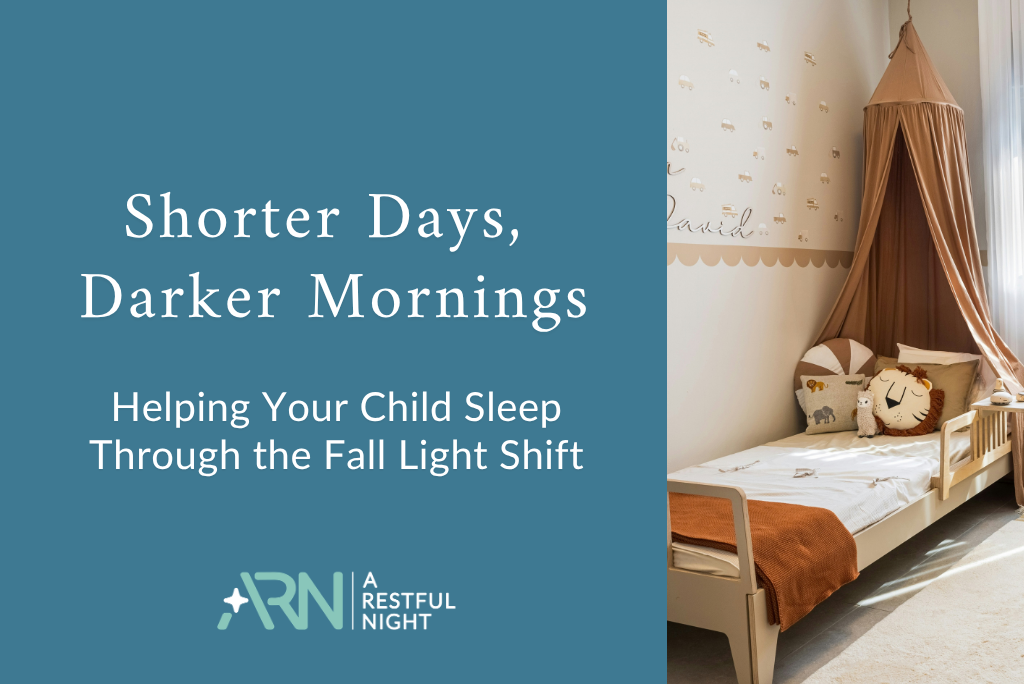
Beds with princess netting, canopies, or excessive decorative elements: While these look beautiful in photos, they create visual clutter around your child's sleep space. A calm, simple environment with minimal visual stimulation promotes better rest. Netting and canopies can also pose safety risks for younger children who might pull on them or become entangled.
Beds without proper support: Whatever sleep space you choose must have a quality, supportive mattress. A worn-out or cheap mattress can affect your child's sleep quality and physical development.
Choosing a Sleep Space

When making your decision, consider these factors:
Safety first: Does this meet current safety standards? Is your child developmentally ready?
Sleep boundaries: Does this space help your child understand where they should be sleeping? Does it support staying in bed overnight?
Long-term investment: Will you need to transition again in 12-18 months, or will this grow with your child?
Your parenting philosophy: Some families prioritize independence and freedom, while others prioritize clear boundaries. Neither is wrong, but understanding your priorities guides your decision.
Final Thoughts
The best sleep space prioritizes safety, supports independent sleep skills, and works for your family long-term. While trendy options like Montessori floor beds or themed toddler beds might be appealing, they often create more challenges than they solve.
A standard crib for infants and young toddlers, followed by a transition directly to a twin or full bed around age 2 or older, gives most families the best outcomes for healthy, independent sleep.
If you're struggling with sleep challenges or unsure about the right time to transition sleep spaces, we're here to help. Schedule a complimentary consultation call to discuss a personalized plan for your family.
Meg O'Leary is an Infant and Child Sleep Expert and the founder of A Restful Night. Based in Westchester County, NY, she leads a team of certified sleep coaches to provide virtual support to families across the US and around the world.