Baby Rolling & Sleep: How Mobility Milestones Impact Your Baby’s Sleep

If you’ve spent any time in the A Restful Night universe, you’ve probably heard me say: “Sleep is everything.” And I don’t just mean that it’s essential (though it absolutely is!). In those early years, your child’s sleep is deeply connected to their development. Sleep affects everything… and everything affects sleep.
Sleep doesn’t happen in a vacuum — it’s intertwined with every part of your baby’s growth. One of the most important connections? Mobility. If your little one suddenly starts waking more, flipping onto their belly, or getting “stuck” in the crib, you’re not imagining it. Rolling and sleep are deeply connected.
I recently sat down with Dr. Erica Law, founder of Kids First Physical Therapy, to discuss how milestones like rolling affect sleep and what parents can do to support both.
Here’s what we think every parent should know:
Everything You Need to Know About Rolling & Sleep
When Do Babies Start Rolling?
As with all developmental milestones, each baby will have their own unique timing. Generally, babies begin rolling back-to-belly somewhere between 3.5 and 4 months. By 6 months, we usually see rolling consistently in at least one direction.
Here’s the typical progression:
Accidental belly-to-back rolling first (thanks, gravity!)
More intentional back-to-belly rolling
Increased movement during sleep
Frustration when your baby can’t get where they want to go
This frustration can show up overnight, causing frequent waking and difficulty settling back to sleep. The timeline also often coincides with the 4 Month Sleep Regression, making it hard to determine what exactly is impacting your child’s sleep the most!
TIP: If your baby isn’t attempting to roll, grabbing their feet, or still strongly resists tummy time by 5.5–6 months, it’s a good idea to seek professional guidance. If you aren’t sure your baby’s mobility is on track, Dr. Erica Law offers virtual consultations.
A Note on Swaddling
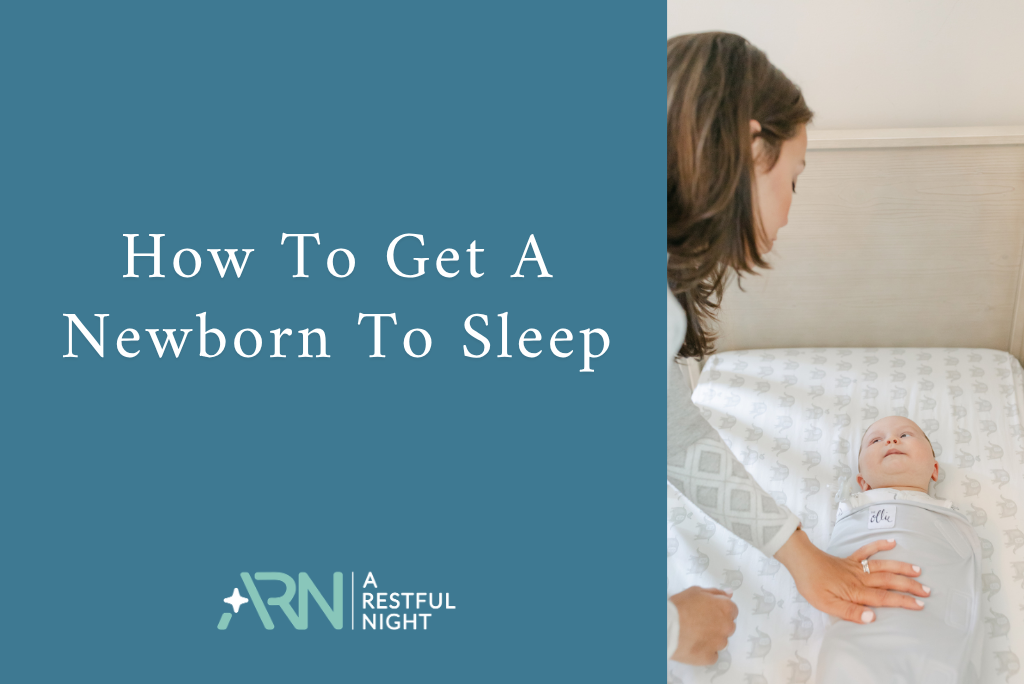
You should stop swaddling as soon as your baby shows signs of rolling. Usually by 12 weeks old we are encouraged parents to start making the transition out of the swaddle. Once rolling is on the horizon, a swaddle becomes a safety risk because it restricts arm movement. If a baby rolls while swaddled, they may not be able to reposition themselves safely.
Signs it’s time to transition:
Strong side-lying movements
Breaking out of the swaddle
Grabbing their feet
Rolling to their side
When you drop the swaddle, move to a sleep sack that allows full arm mobility.
Why Rolling Changes Sleep (and Sometimes Disrupts It)
Around 4 months, babies undergo a neurological sleep maturation. Sleep cycles shift, and they become more aware of their environment — just as new motor skills are emerging. Your baby’s brain is firing on all cylinders… but their body may not yet have the strength or coordination to keep up. This can look like:
Waking more frequently
Rolling onto their belly and panicking
Rolling onto their back but not knowing how to return
Increased bedtime frustration
In other words: it’s not just a “regression.” It’s development in action, which causes a change in your baby’s sleep patterns.
Is Your Baby’s Sleep Space Affecting Rolling?
One major theme we see in both sleep consulting and physical therapy: over-restriction can delay mobility. Well-meaning parents can over-use common infant products (such as the Snoo, Doona or DockATot) and delay mobility milestones in the process.
Here’s what to avoid:
Extended swaddling beyond readiness
Sleeping long-term in small bassinets (if you aren’t ready for a crib yet, use your pack-n-play instead)
Frequent use of infant loungers or restrictive containers (like the Snoo)
Limited tummy or floor time
By 6 months, babies sleep 14–15 hours per day. If they’re immobilized during most of that time, they’re missing out on core engagement, twisting, and weight shifting — all critical for rolling.
Sometimes, simply transitioning from a bassinet to a crib can improve both sleep and motor development.
How Baby Sleep Positions Affect Sleep
Why Babies Often Sleep Better on Their Belly
No, it’s not to torture parents watching the monitor, though we know it can feel that way.
Once babies can roll to their belly independently, many begin sleeping longer and more deeply in that position. Why? Belly sleeping provides gentle pressure along the front of the body, stimulating the vagus nerve, a key part of the parasympathetic nervous system that helps regulate calm. It also reduces the Moro (startle) reflex, meaning fewer sudden wake-ups.
As a mom who’s navigated this development four times, I’ll admit: the first few nights my youngest slept on his belly were stressful. It’s completely normal to worry about your baby’s breathing and airway safety. Dr. Erica Law explains how to know if they’re ready:
“If your baby can get into the position on their own, they have the strength to reposition their head and protect their airway.”
SAFETY FIRST: Babies should always be placed on their backs to sleep. But once they can roll onto their belly and back independently, they usually have the strength to reposition themselves safely. Independent movement is the key indicator of readiness.
Why Some Babies Wake Up Frustrated on Their Belly
Here’s a common scenario: Your baby has mastered back-to-belly rolling during the day. But at night? They roll onto their belly and wake up screaming.
The most common culprit: being placed into the crib already asleep (or very close to it). When they wake between sleep cycles, they’re suddenly in a new position or environment with no awareness of how they got there. That disorientation can be startling.
By placing babies into the crib awake and giving them space to practice repositioning themselves, they build confidence and muscle memory. They learn how their body moves in their sleep space. At the same time, they’re developing self-soothing skills and learning how to fall asleep independently.
The result? When they naturally wake overnight — which all humans do — they’re better equipped to adjust their position and fall back asleep without frustration.
How to Encourage Rolling (Without Overdoing It)
Small environmental shifts make a big difference. Here are three physical therapist–approved ways to encourage rolling:
The “Happy Baby” Rock
Lay your baby on their back.
Gently hold their feet (and hands if tolerated) and rock them side to side.
BENEFITS: engages the core, encourages side-lying transitions, stimulates the vestibular system, and builds comfort shifting weight. It also helps regulate fussy babies.
Move Toys Off-Center
Instead of placing toys directly above your baby’s chest, position them slightly to the side.
Encourages reaching across midline, shoulder lifting, weight shifting, and rolling initiation.
GOAL: invite movement and strength building without forcing it.
Elevate the Hips
Place a small towel or tummy-time pillow under your baby’s hips while they’re on their back.
Makes feet easier to see and grab.
LOOK FOR: foot-grabbing which often signals rolling is on the horizon; side-rolling typically follows shortly after.
How Much Tummy Time Is Enough?
General guideline: 45–60 minutes per day cumulatively by 3–4 months. Quality matters more than quantity. Even 20 minutes of high-quality tummy time spread throughout the day is better than 60 minutes of high stress tummy time.
Tummy time doesn’t have to look the same everyday! You have options:
Flat on the floor
Elevated on your chest
Over a pillow
Short, frequent bursts
REMEMBER: Frustration is part of the learning process. Tummy time builds strength, coordination, and body awareness. Meet basic needs first (fed, rested, dry), but try not to intervene at the first sign of protest. Pausing allows your baby to problem-solve, building confidence that carries over into sleep.
When to Seek Professional Support

Reach out to a pediatric physical therapist if:
Your baby isn’t attempting to roll by 5.5–6 months
They strongly resist tummy time with no improvement
They have a strong head-turning preference
Movements seem asymmetrical
They’re not grabbing their feet by 6 months
Dr. Erica Law offers both in-person services in Maryland and virtual consultations nationwide through Kids First Physical Therapy.
Final Thoughts
If your baby’s rolling milestone has created a lasting sleep disruption, we can help. At A Restful Night, we specialize in supporting families through developmental sleep shifts while empowering parents to address their child’s sleep challenges as they come.
Book a complimentary consultation call to create a plan that supports your child’s development!
About Kids First Physical Therapy
Dr. Erica Law founded Kids First Physical Therapy with a clear mission: to provide care on her terms, rooted in a family-centered model. What began as a vision for more personalized support has grown into a collaborative team offering physical therapy, occupational therapy, and speech therapy. Together, they co-treat and work closely to deliver comprehensive, individualized care for every child.
Click here to learn more about Kids First Physical Therapy.
Meg O'Leary is an Infant and Child Sleep Expert and the founder of A Restful Night. Based in Westchester County, NY, she leads a team of certified sleep coaches to provide virtual support to families across the US and around the world.