8-10 Month Sleep Regression: Why It Happens and How to Handle It
Your baby has been sleeping beautifully for months. Bedtime was predictable, naps were consistent, and you were finally feeling like you had this whole parenting thing figured out.
Then suddenly, around anywhere between 7-10 months, everything falls apart. Your baby who used to go down easily is now crying at bedtime. Naps are a battle. Night wakings are back with a vengeance. You're exhausted, confused, and wondering what went wrong.
You’ve heard about the 9 month sleep regression, is this it? Is it early? Has it arrived late?
Welcome to the 8-10 month sleep regression (really, the 7-10 month sleep regression), a period of desruptive sleep based on new developmental leaps, not age specifically! The good news? It's temporary, it's developmentally normal, and there are concrete strategies to help you get through it.
What Is the 8-10 Month Sleep Regression?
A sleep regression is a period when a baby who has been sleeping well suddenly starts experiencing sleep struggles. These regressions typically coincide with major developmental leaps, and the 8-10 month mark is a big one.
During a regression, you might notice your baby taking shorter naps, waking more frequently at night, fighting bedtime, or needing more help falling asleep than they used to. Sleep that felt stable suddenly feels chaotic again.
The 8 month sleep regression usually lasts 2-6 weeks. Some babies move through it quickly, while others take a bit longer to adjust. The key is understanding why it's happening so you can respond appropriately rather than accidentally creating new sleep habits you'll need to undo later.
Why the 8-10 Month Sleep Regression Happens
Sleep regressions aren't random. They happen because your baby's brain is working overtime to master new skills. Between 7-10 months, several major developments converge all at once.
Physical milestones are exploding.
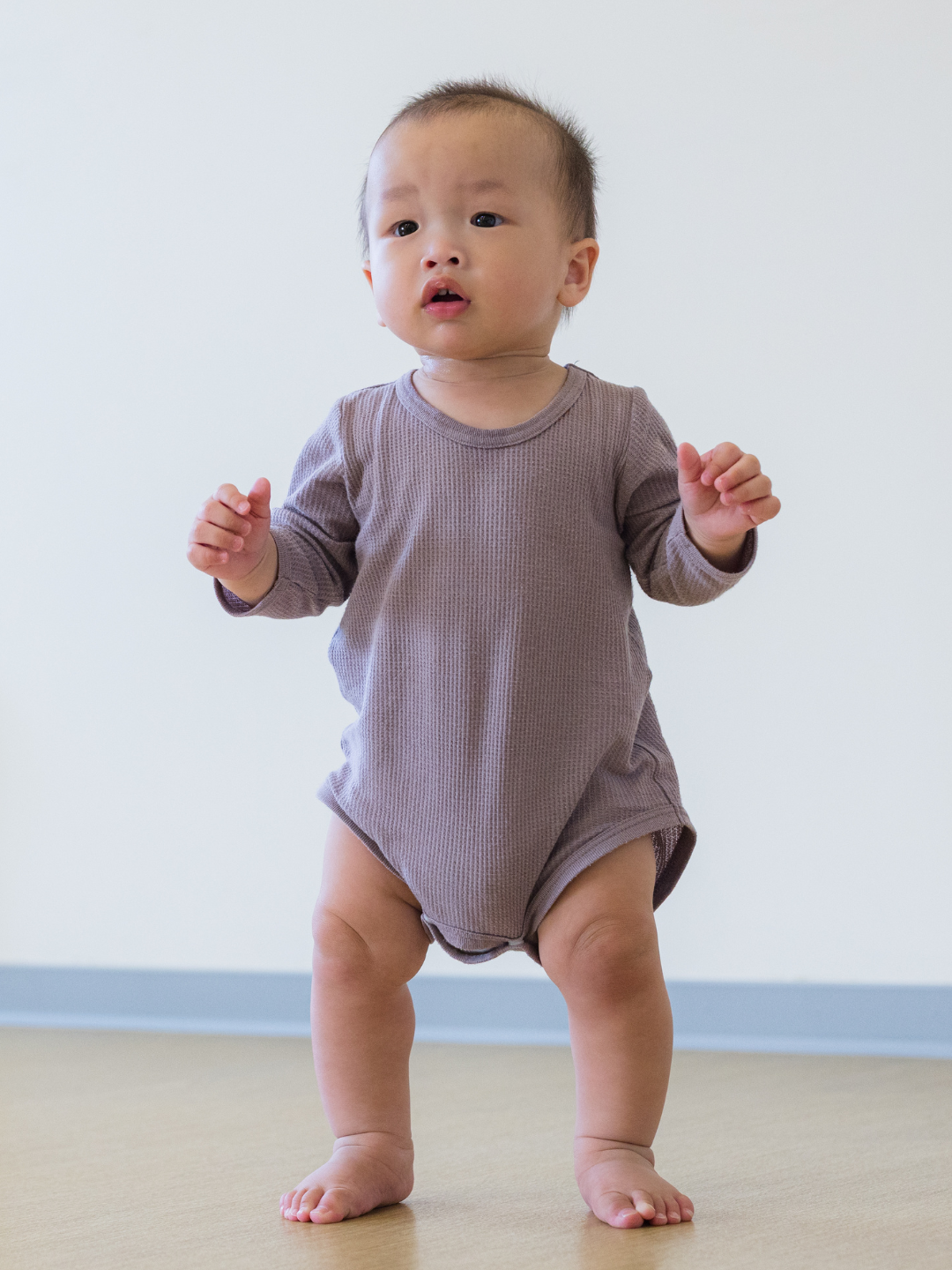
Your baby is likely crawling, pulling to stand, or even cruising along furniture. Some 9-month-olds are working on all of these skills simultaneously. Their brain is so focused on practicing these movements that it interferes with their ability to settle and stay asleep.
You might find your baby standing up in the crib at bedtime, unable to figure out how to get back down. Or they wake at 2:00 AM and immediately flip to their stomach to practice crawling. Their body wants to move, even when they need to sleep.
Separation anxiety peaks.
Around 8-10 months, babies develop object permanence, the understanding that things and people still exist even when they can't see them. They are also catching on to cause and effect, really understanding patterns. This is a cognitive milestone and you’ll see it appear across the day. For example, when they drop a toy and you hand it back to them they may drop it again. When you walk in the room and smile, they smile back. In the same vein, you walk out of the room and they may whimper or cry! .
Your baby now knows that when you leave the room, you're somewhere else without them. This triggers an awareness that can make bedtime and night wakings more difficult. They're not being manipulative, they're genuinely understanding that they are separated from you.
Nap transitions are approaching.
While most babies aren't quite ready to drop to one nap at 8 months, they're getting close. Some babies start resisting one of their naps or taking shorter naps as their sleep needs shift. This creates overtiredness that makes all sleep harder.
Want to know if there’s a nap transition in your future? Read our blog all about Common Baby Nap Transitions.
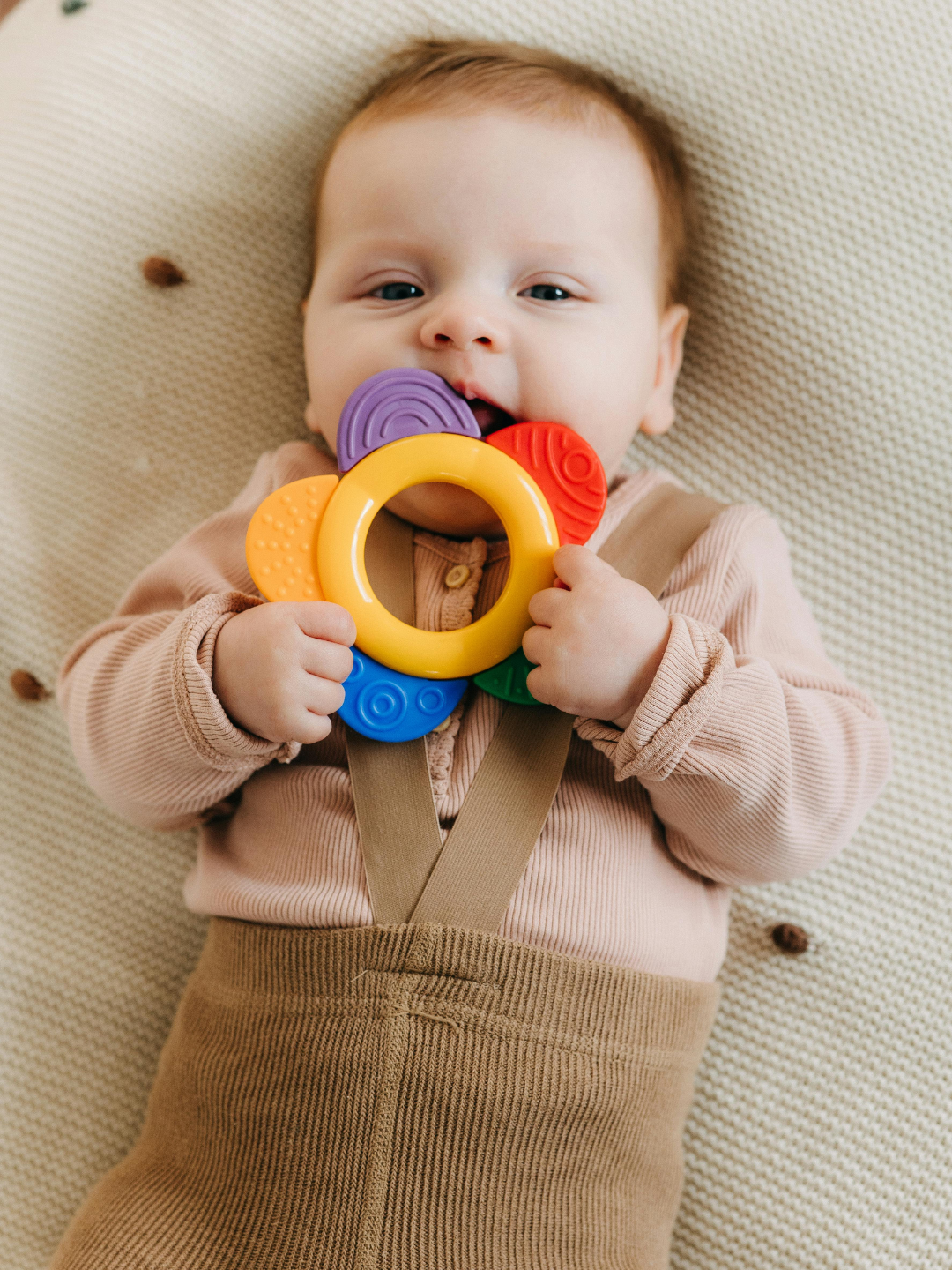
Teething may be involved.
Many babies are working on their top front teeth around this age. Teething discomfort can contribute to night wakings and fussiness, compounding the regression.
All of these factors together create a perfect storm of sleep disruption.
How to Handle the 8 Month Sleep Regression
You can't prevent developmental regression, but you can manage it in ways that support your baby while protecting the sleep foundation you've built.
Stay Consistent With Your Routine
This is the most important thing you can do. When everything else feels chaotic, your bedtime routine should remain rock solid.
Continue following the same sequence every night: bath, pajamas, books, a feed, song, lights out and put your baby in awake to fall asleep independently. Keep the routine calm and predictable, even if your baby is fussy or resistant. The familiarity provides comfort during a time when everything else feels confusing to them.
Try not to extend the routine to "help" your baby settle. Adding extra books or songs might feel helpful in the moment, but it creates new expectations that will be hard to undo after the regression passes.
Practice New Skills During the Day
If your baby is standing up in the crib and can't figure out how to sit back down, practice this skill repeatedly during the day.
Spend time helping them pull to stand and then guiding them back down to sitting. The more they practice when they're alert and engaged, the less they'll need to practice at 2:00 AM.
Give your baby plenty of floor time to crawl, cruise, and explore. The more they can satisfy their drive to move during wake windows, the less it will interfere with sleep.
Address Separation Anxiety (or Separation Awareness) Gently
You can't eliminate separation anxiety, but you can help your baby feel more secure. It’s also helpful to reframe the word anxiety in your head as awareness, because it is really just that!
During the day, play peekaboo and practice short separations. Leave the room for a few seconds and come back. This helps your baby learn and build confidence that you always return.
At bedtime, keep your goodbye brief and confident. A long, emotional goodbye actually increases anxiety rather than reducing it. A simple "I love you, see you in the morning" followed by a calm exit is more reassuring.
If your baby is crying at bedtime, you can offer reassurance without undoing their independent sleep skills. Depending on your comfort level, this might mean checking in briefly every few minutes or sitting nearby until they settle.
Optimize the Sleep Schedule
Double-check that your baby's nap schedule is still appropriate for their age and sleep needs.
Most 8-month-olds do well with two naps: a morning nap around 9:30 AM and an afternoon nap around 2:00pmPM. Wake windows are typically 2.5-3.5 hours, with the longest wake window before bedtime.
If naps are getting short or your baby is resisting one nap, you might need to adjust timing slightly. However, resist the urge to drop to one nap unless your baby is consistently showing readiness, most babies aren't ready for this transition until 12-15 months.
Make sure bedtime isn't too late. Overtiredness makes regressions worse. A bedtime between 6:30 and -8:00 PM is appropriate for most babies around 8-9 months old.
Use White Noise and Darkness
Environmental factors matter more during regressions because your baby is already working harder to settle.
Use blackout curtains to make the room as dark as possible for all sleep periods. Darkness supports melatonin production and reduces visual distractions.
Run a white noise machine at a consistent volume throughout all sleep periods. White noise helps mask household sounds that might wake your baby during lighter sleep cycles.
TIP: If you haven’t worked white noise into your routine, we recommend it to all our parents! Read more about why in Everything You Need to Know About White Noise.
Be Cautious About Creating New Sleep Associations
When your baby is struggling, your instinct is to do whatever works to help them sleep. But be strategic about what you choose.
If your baby has been falling asleep independently and you suddenly start rocking them to sleep every night, you could be creating a new sleep association that will persist after the regression ends. Then you'll have two problems: the regression and the new habit.
Instead, offer comfort in ways that don't require your ongoing involvement. You might sit in the room until they settle, pat their back for a minute, or offer verbal reassurance. But try to avoid picking them up for every wake-up or reintroducing feeding as a sleep tool if you've already weaned night feeds.
Final Thoughts
Sleep regressions are exhausting, but they're also a sign that your baby's brain is doing exactly what it should be doing: growing, learning, and developing.
The skills your baby is working so hard to master, crawling, standing, understanding object permanence - are incredible milestones worth celebrating, even when they temporarily disrupt sleep.
Stay consistent, be patient with your baby and yourself, and trust that this phase will pass. The sleep foundation you've built isn't gone, it's just temporarily disrupted by development.
If you're in the thick of the 8 month regression and feeling overwhelmed, or if sleep struggles are persisting beyond what feels like a normal regression, the A Restful Night team is here to help. Schedule a complimentary consultation call and we'll create a plan that supports your baby's development while helping your whole family get the rest you need.

Need a schedule that actually works?
Expertly Curated Sleep Schedules
We believe the perfect schedule should bring predicability and flexibility to your child’s day. Founder and lead sleep consultant Meg O’Leary has designed these schedules to do that. Covering sleep from the newborn stage up until 18+ months, find your perfect schedule at the link below!
Meg O'Leary is an Infant and Child Sleep Expert and the founder of A Restful Night. Based in Westchester County, NY, she leads a team of certified sleep coaches to provide virtual support to families across the US and around the world.